


تشكل أعطال المضخات ما يقدر بنحو 15 إلى 20٪ من إجمالي فترات توقف الإنتاج في صناعة الطلاء الكهربائي وتشطيب أسطح لوحات الدوائر المطبوعة (PCB). والسبب بسيط: فخط الطلاء الكهربائي يعد أحد أكثر البيئات الصناعية قسوةً من الناحية الكيميائية. يعمل خط واحد للنيكل غير الكهربائي/الذهب بالغمر (ENIG) للثنائي الفينيل متعدد الكلور (PCB) في حوالي ستة أحواض كيميائية تتضمن ما يقرب من مائة مادة كيميائية مختلفة — حمض الكبريتيك، وحمض الهيدروكلوريك، وبرمنجنات القلوية، والنحاس المختزل بالفورمالديهايد، ومحفزات البلاديوم، وسلفامات النيكل عند 80 درجة مئوية، وأملاح سيانيد الذهب. وبالانتقال من لوحات الدوائر المطبوعة (PCB) إلى تشطيب المعادن بشكل عام، تمتد القائمة لتشمل الكروم سداسي التكافؤ وثلاثي التكافؤ، والزنك السيانيد، والنحاس المركب مع EDTA، ومزيلات الطلاء الكاوية الساخنة. لا تكفي المضخة التي توصف في الكتالوج بأنها "مقاومة للمواد الكيميائية"؛ بل يجب أن تتوافق المواد المبللة مع الحمام المحدد، ويجب أن تقضي البنية الهندسية على مسارات التسرب التي تحول مشكلة كيميائية إلى حادث يتعلق بالسلامة والبيئة.
لقد قمنا بتصنيع مضخات ذات محرك مغناطيسي ومحرك مغلق لمحلات الطلاء الكهربائي ومصنعي لوحات الدوائر المطبوعة وخطوط معالجة الأسطح لأكثر من عقد من الزمن. يغطي هذا الدليل كيفية اختيار المضخات لمحطات معالجة السوائل الرئيسية في خط الطلاء الكهربائي أو خط تصنيع لوحات الدوائر المطبوعة (PCB) — مثل دوران الحمامات والترشيح، ونقل الأحماض القوية والقلويات القوية، والجرعات الكيميائية الدقيقة، إعادة تدوير غسالة الأبخرة، ومعالجة مياه الصرف — مع الاهتمام بمتطلبات توافق المواد وعدم التسرب التي تميز عمل مضخات خطوط الطلاء عن الخدمة الصناعية العامة.
1. محطات الضخ في خط الطلاء الكهربائي وتشطيب أسطح لوحات الدوائر المطبوعة
يحتوي خط الطلاء أو خط المعالجة الرطبة للوحات الدوائر المطبوعة (PCB) على ما بين ستة إلى عشرة مهام مختلفة للمضخات، لكل منها خصائص كيميائية ودرجات حرارة ومستويات تحمل للتلوث تختلف عن غيرها. ويعد تحديد الصورة الكاملة للوضع الشرط الأساسي لتحديد مواصفات المضخات بشكل سليم لكل محطة على حدة:
● دوران وترشيح حوض الطلاء — إعادة تدوير مستمر لمحلول الطلاء الكهربائي عبر حجرة الترشيح لإزالة الجسيمات والحفاظ على تجانس المحلول. وتعد هذه المهمة الأكثر شيوعًا للمضخات على خط الإنتاج.
● نقل الأحماض القوية — نقل حمض الكبريتيك وحمض الهيدروكلوريك وحمض الفلوروبوريك من مخازن التخزين السائبة إلى خزانات المعالجة ومحطات الحفر الدقيق.
● نقل القلويات القوية والمؤكسدات — تدوير منظف هيدروكسيد الصوديوم، ومزيل البقع القلوي الذي يحتوي على برمنغنات، ومزيل الطلاء الكاوستيكي.
● دوران أحواض الطلاء غير الكهربائي — تُحافظ درجة حرارة أحواض النحاس والنيكل غير الكهربائية على مستوى يتراوح بين 35 و90 درجة مئوية، وهي ذات طبيعة ذاتية التحفيز وحساسة لظاهرة ارتفاع درجة الحرارة الموضعي والتلوث.
● الجرعات الكيميائية الدقيقة — إضافة كميات محددة من المُلمِّعات والمواد المضافة ومعدِّلات درجة الحموضة والمواد الكيميائية المُجدِدة التي تتحكم في جودة الرواسب.
● نقل مياه الشطف والمياه منزوعة الأيونات — شلالات شطف ذات سعة كبيرة وإمداد بالمياه منزوعة الأيونات بين كل خطوة من خطوات العملية.
● إعادة تدوير غسيل الأبخرة — تدوير سائل الغسيل عبر أجهزة الغسيل الرطبة ذات الأبراج المعبأة التي تعمل على احتجاز رذاذ الأحماض وأبخرة السيانيد من خط الإنتاج.
● معالجة مياه الصرف الصحي والنفايات السائلة — نقل المحاليل المستهلكة، ومياه الشطف المتبقية، والنفايات الكيميائية إلى أنظمة التحييد، وتخفيض الكروم، وتدمير السيانيد، وترسيب المعادن الثقيلة.
هناك خمسة معايير مشتركة بينها جميعًا: التوافق الكيميائي مع المواد الكيميائية القوية والمختلطة في كثير من الأحيان، وعدم تسرب السوائل السامة والخاضعة للرقابة (السيانيد والكروم والفلورايد)، والتحمل للغازات المحبوسة والمواد الصلبة العالقة، والتشغيل المستمر والمستقر في الإنتاج على مدار الساعة طوال أيام الأسبوع، ومقاومة الجو الحمضي المسبب للتآكل في قاعة الطلاء نفسها. لا توجد مضخة واحدة تغطي جميع المحطات؛ بل إن المجموعة التي تتناسب مع التركيبات الكيميائية هي الحل الأمثل.
2. دوران وترشيح حوض الطلاء: المهمة الأساسية للمضخة
يحتاج كل حوض طلاء أو حوض طلاء غير كهربائي إلى دوران مستمر عبر مرشح لإزالة الجسيمات وحمأة الأنود والملوثات التي تدخل إلى الحوض، وللحفاظ على توزيع متجانس لتركيز أيونات المعادن ودرجة الحرارة في جميع أنحاء الحوض. يؤدي ضعف الدوران إلى حدوث احتراق في المناطق ذات الكثافة العالية للتيار، وخشونة، وتآكل، وعدم انتظام السماكة. تعد حلقة المضخة والمرشح العمود الفقري للخط، ولها أربعة ضغوط هندسية:
● توافق المواد مع التركيب الكيميائي المحدد للحمام. تتوافق أحواض النحاس الحمضي والنيكل اللامع (الكبريتات/الكلوريد) مع مادة البولي بروبيلين (PP) والبولي فلورويد (PVDF)؛ أما أحواض الأكسدة (حمض الكروميك، والبرمنغانات لإزالة البقع) فتتطلب بطانة من مادة البولي فلورويد (PVDF) أو البولي تيترافلوروإيثيلين/البولي فلوروآسيتال (PTFE/PFA) لأنها تسبب تآكل البولي بروبيلين؛ يحتاج النيكل الساخن غير الكهربائي عند 80-90 درجة مئوية إلى هيكل من مادة PVDF أو البوليمر الفلوري. إن تحديد مادة واحدة للمضخة للمصنع بأكمله يضمن حدوث أعطال في أحواض الأكسدة.
● معالجة المواد الصلبة والجسيمات العالقة. تنقل دوائر الترشيح الجسيمات الدقيقة من أكياس الأنود والغبار والمواد الصلبة المترسبة. ويجب أن تتحمل المضخات نسبة تتراوح بين 1 و5% من المواد الصلبة العالقة دون أن يتآكل الدوار. وتتعامل مضخات الدوامة ذات التوربينات المتجددة وتصميمات الدوار المفتوح مع هذه المواد بشكل أفضل مقارنة بالمضخات الطردية ذات الدوار المغلق والخلوص الضيق.
● معدل دوران التدفق. تتطلب معظم أحواض الطلاء إجراء ما بين 2 إلى 10 دورات كاملة لتجديد محتوى الخزان في الساعة، وذلك اعتمادًا على كثافة التيار والجودة المستهدفة. ويحتاج خزان طلاء النحاس سعة 2000 لتر، الذي يتم تجديد محتواه بمعدل 6 دورات في الساعة، إلى تدفق مرشح مستمر بمعدل 200 لتر في الدقيقة. ويجب تحديد سعة المضخة والمرشح معًا.
● بناء مانع للتسرب تمامًا. تعتبر كيمياء الطلاء بالغطس عملية مكلفة وسامة وخاضعة للرقابة. إن حدوث تسرب من مضخة ذات مانع تسرب ميكانيكي، بحيث يتسرب سلفامات النيكل أو حمض الكروميك على أرضية قاعة الطلاء، يُعد حادثًا يتعلق بالاحتواء وتعرض العمال للمخاطر، وليس مجرد مشكلة صيانة بسيطة. وتقوم بنية المحرك المغناطيسي الخالي من المانع الميكانيكي بإزالة مسار التسرب من المانع الميكانيكي بشكل كامل.
بالنسبة لتدوير أحواض النحاس والنيكل والزنك الحمضية، تتولى هذه المهمة مضخة MDH ذات الدفع المغناطيسي والدوامة المصنوعة من الفولاذ المقاوم للصدأ (حيثما كان الفولاذ المقاوم للصدأ متوافقًا) أو الطرز المبطنة بـ PTFE. بالنسبة لحمامات حمض الكروم، وبرمنغنات ديسمير، وغيرها من الحمامات المؤكسدة، توفر مضخة AMC-F ذات الدفع المغناطيسي والمبطنة بـ PTFE الخمول الذي تتطلبه تلك المواد الكيميائية. لمزيد من المعلومات، راجع دليل اختيار المضخات الدوامة الصناعية وصفحة حلول المضخات المقاومة للتآكل.
3. نقل الأحماض القوية والقلويات القوية: اختيار المواد بناءً على الخصائص الكيميائية
يُعد النقل بالجملة للأحماض والقلويات المركزة من خزانات التخزين إلى خزانات المعالجة هو المجال الذي تكون فيه أخطاء اختيار المواد هي الأكثر تكلفة. فالمواد الملامسة للسوائل غير المناسبة لا تتلف تدريجيًا — بل تتلف بشكل كارثي، مما يؤدي إلى انسكاب المواد الكيميائية المركزة. وفيما يلي خريطة توافق عملية لمواد كاشفة شائعة الاستخدام في خطوط الطلاء:
| الكيمياء | الاستخدام النموذجي | المواد الملامسة للسائل المتوافقة | تجنب |
| حامض الكبريتيك (<80%) | النحاس الحمضي، الحفر الدقيق، التخليل | PVDF، PTFE/PFA، وبعض أنواع البولي بروبيلين | الفولاذ المقاوم للصدأ القياسي 304/316 في التركيزات العالية |
| حمض الهيدروكلوريك | التنشيط، التخليل، شريط القصدير | PVDF، PTFE/PFA، PP | جميع أنواع الفولاذ المقاوم للصدأ |
| حمض الكروميك (Cr⁶) | الكروم الصلب، الكروم الزخرفي، إزالة البقع | PVDF، PTFE/PFA | البولي بروبيلين، الفولاذ المقاوم للصدأ |
| هيدروكسيد الصوديوم (ساخن) | منظف، مزيل، نظام التنظيف في المكان (CIP) | الفولاذ المقاوم للصدأ 316L، PTFE/PFA، PVDF | الألومنيوم، البولي بروبيلين في درجات الحرارة العالية |
| برمنجنات البوتاسيوم | ديسمير، إتشباك | PTFE/PFA، PVDF | البولي بروبيلين، الفولاذ المقاوم للصدأ |
| حمض الهيدروفلوريك / حمض الفلوبوريك | الحفر، الغمس في مادة مبيضة | PTFE/PFA فقط | الزجاج، الفولاذ المقاوم للصدأ، PVDF (بشكل محدود) |
| محاليل السيانيد | السيانيد والزنك والذهب والفضة | الفولاذ المقاوم للصدأ 316L، PTFE/PFA | الخطوط الملوثة بالأحماض (تسرب سيانيد الهيدروجين) |
نقطتان هندسيتان مهمتان. أولاً، تعتبر البنية المبطنة بالبوليمرات الفلورية (PTFE أو PFA) الخيار الشامل الوحيد القادر على التعامل مع جميع المواد الكيميائية الواردة في القائمة — فإذا كان لا بد من استخدام طراز مضخة واحد لتغطية عدة أحواض كيميائية شديدة التآكل، فإن المضخة ذات المحرك المغناطيسي المبطنة بـ PTFE هي الخيار الآمن الافتراضي. ثانياً، تتطلب تدفقات السيانيد والفلورايد عدم وجود أي تسرب، ليس لأسباب تتعلق بالتكلفة، بل لأسباب تتعلق بسلامة الأرواح: فالتسرب من السيانيد الذي يتلامس مع حمض متسرب يؤدي إلى انبعاث غاز سيانيد الهيدروجين. ويعد استخدام المحرك المغناطيسي بدون مانع تسرب أو المحرك المغلق أمراً إلزامياً، وليس اختيارياً، في هذه التدفقات.
بالنسبة لنقل الأحماض المختلطة والأحماض المؤكسدة، فإن المضخة ذات المحرك المغناطيسي المبطنة بـ PTFE من طراز AMC-F هي خيارنا الموصى به بشكل قياسي. أما بالنسبة للاستخدامات التي تتضمن المواد الكاوية الساخنة والسيانيد، حيث يكون الفولاذ المقاوم للصدأ مناسبًا، فإن المضخة المغناطيسية الدوامة المصنوعة من الفولاذ المقاوم للصدأ من طراز MDW من الفئة 316L تُعد بديلاً أقل تكلفة ضمن نطاق التوافق المحدد لها.
4. دوران الحمامات غير الكهربائية: التحكم في درجة الحرارة وحساسية التحفيز الذاتي
تُعد أحواض النحاس والنيكل غير الكهربائية أكثر السوائل حساسيةً تجاه العمليات في خطوط تصنيع لوحات الدوائر المطبوعة أو خطوط الطلاء. وعلى عكس الطلاء الكهربائي، فإن الترسيب غير الكهربائي هو عملية ذاتية التحفيز — حيث تعمل التركيبة الكيميائية للحوض على طلاء المعدن على أي سطح محفز، بما في ذلك الأجزاء الداخلية للمضخة والأنابيب إذا سمحت الظروف بذلك. فيما يلي ثلاثة تحديات تتعلق بالمضخة:
● يؤدي ارتفاع درجة الحرارة الموضعي إلى تحلل الملح. يتم تطبيق طلاء النيكل غير الكهربائي عند درجة حرارة تتراوح بين 80 و90 درجة مئوية، ويتحلل بسرعة في حالة تشكل نقاط سخونة موضعية. وقد تؤدي المضخة التي تضيف حرارة بسبب احتكاك المحامل أو التوصيل الحراري للمحرك إلى تكوين نواة للترسب. تتجنب المضخات ذات المحرك المغناطيسي، التي يتم عزل المحرك فيها حرارياً عن الطرف المبلل، توصيل حرارة المحرك إلى الحمام؛ كما يقلل غلاف الاحتواء غير المعدني من مدخلات الحرارة الناتجة عن التيارات الدوامة.
● تراكم البكتيريا على الأسطح المبللة. أي سطح معدني نشط حفزيًا يتلامس مع حوض الطلاء غير الكهربائي سوف يتراكم عليه المعدن المطلي. الأجزاء المبطنة بالبوليمر الفلوري أو المبللة بـ PVDF غير حفزية وتقاوم الترسب بشكل أفضل بكثير من الأجزاء الداخلية المعدنية العارية. وهذا أحد الأسباب التي تجعل المضخات المبطنة بـ PTFE هي الخيار السائد في تدوير حوض الطلاء غير الكهربائي.
● دوران لطيف منخفض الاحتكاك. تؤدي الاضطرابات الشديدة والتجويف إلى تسريع تدهور حالة المحلول، كما يمكن أن تؤدي إلى ترسب الغاز في الطبقة المطلية. وتوفر مضخات الدوامة ذات التوربينات المتجددة تدفقًا ثابتًا منخفض النبضات، وهو ما يناسب دوران المحلول في عملية الطلاء غير الكهربائي بشكل أفضل مقارنةً بتصميمات المضخات الطردية ذات القص العالي.
بالنسبة لدوران النيكل والنحاس غير الكهربائيين، تُعد المضخات ذات الدفع المغناطيسي المبطنة بـ PTFE أو PVDF هي المعيار المتبع. وتُزيل التصميمات الخالية من الأختام مسار التلوث الذي تسببه مياه الشطف الخاصة بالأختام الميكانيكية — وهو مصدر قلق حقيقي في أحواض الغمر حيث تؤدي آثار الملوثات إلى زعزعة التوازن الكيميائي. لمزيد من المعلومات حول الخلفية الهندسية، راجع دليل اختيار المضخات الصناعية ذات المحرك المغناطيسي.
5. الجرعات الكيميائية الدقيقة: المُبيِّضات والمواد المضافة والمواد المُعوضة
تتحدد جودة الطلاء في عمليات الطلاء الحديثة — مثل اللمعان، والليونة، وقوة التغطية، وبنية الحبيبات — من خلال المضافات العضوية الموجودة بتركيزات تبلغ غرامًا واحدًا لكل لتر أو حتى ملليغرامًا واحدًا لكل لتر. ويُعد الجرعات الدقيقة لهذه المضافات من مهام المضخات الإزاحة الإيجابية، وليس المضخات الطردية. وهناك ثلاثة متطلبات محددة للجرعات:
● الجرعات الصغيرة من المُبيّضات والمواد المضافة. إضافة محددة بكميات أقل من لتر واحد في الدقيقة مع حجم ثابت، وغالبًا ما يتم التحكم فيها بواسطة عدادات الأمبير/ساعة أو من خلال ردود فعل تحليل المحلول. وقد صُممت مضخة التروس المغناطيسية الصغيرة جدًّا MDC-M الخاصة بنا خصيصًا لهذا الغرض — حيث توفر بنية التروس ذات الدفع المغناطيسي إخراجًا ثابتًا بكميات صغيرة دون الحاجة إلى مانع تسرب يمنع تسرب تركيز المادة المضافة.
● جرعات المواد المُجددة والمُعوضة. نقل محدد الكمية بكميات متوسطة لمركزات الأملاح المعدنية أو الأحماض أو القواعد للحفاظ على تركيبة المحلول. تغطي المضخة التروسية المغناطيسية MDC-K هذا النطاق الذي يتراوح بين 5 و50 لترًا في الدقيقة، مع خرج تروس داخلي منخفض النبضات.
● تحديد جرعات الأحماض والقواعد للتحكم في درجة الحموضة. الإضافة المتواصلة أو المُتحكم فيها بالتغذية الراجعة للحمض أو القلويات للحفاظ على درجة الحموضة (pH) في الحمام ضمن نطاق ضيق. وتُعد مضخات القياس ذات التروس ذات المحرك المغناطيسي أو ذات الحجاب الحاجز، والتي تحتوي على أجزاء ملامسة للسائل مصنوعة من البوليمر الفلوري، مناسبة لهذه المهمة. لمزيد من المعلومات حول الإزاحة الإيجابية، راجع دليل مبدأ عمل مضخات الإزاحة الإيجابية ودليل الاختيار، بالإضافة إلى المقارنة الواردة في دليل المقارنة بين المضخة التروسية المغناطيسية والمضخة الدوامة المغناطيسية.
6. مضخات غسيل الغازات ومضخات معالجة مياه الصرف
تنقل الأنظمة البيئية المحيطة بخط الطلاء بعضًا من أكثر السوائل تآكلًا وأكثرها خضوعًا للوائح التنظيمية. وهناك محطتان لهما الأهمية الأكبر:
إعادة تدوير غسيل الغازات
تنبعث خزانات الطلاء رذاذًا حمضيًا وأبخرة حمض الكروميك، كما تنطوي (في خطوط السيانيد) على خطر انبعاث سيانيد الهيدروجين. وتقوم أجهزة الغسل الرطبة ذات الأبراج المعبأة باحتجاز هذه المواد عن طريق إعادة تدوير سائل غسل قلوي عبر وسائط التعبئة. تعمل مضخة إعادة التدوير بشكل مستمر، وتتعامل مع الملوثات الملتقطة بالإضافة إلى المواد الكيميائية المستخدمة في الغسل، وتقع في أكثر الأجواء حمضية في المصنع. تعتبر المضخات ذات المحرك المغناطيسي المبطنة بـ PVDF أو PTFE هي المعيار؛ فالجو المحيط المسبب للتآكل وحده يستبعد تصميمات الأختام الميكانيكية ذات المعادن المكشوفة، التي تتآكل من الخارج حتى عندما يكون السائل الذي يتم ضخه خفيفًا.
معالجة مياه الصرف الصحي والنفايات السائلة
تتضمن معالجة مياه الصرف الناتجة عن عمليات الطلاء: اختزال الكروم (من السادس التكافؤ إلى الثالث التكافؤ)، وتدمير السيانيد (عن طريق الكلورة القلوية)، والتحييد، وترسيب المعادن الثقيلة. تحتوي كل مرحلة على مضخات جرعات (لميتابيسولفيت الصوديوم، هيبوكلوريت الصوديوم، الجير، مادة التلبد البوليمرية) ومضخات نقل تنقل الحمأة والنفايات السائلة المعالجة. يعد الشطف بالجر من خطوط PCB صعبًا بشكل خاص لأن النحاس غالبًا ما يكون مركبًا مع EDTA ويقاوم الترسيب التقليدي، مما يتطلب كيمياء معالجة متخصصة ومضخات جرعات مناسبة.
بالنسبة لإعادة تدوير غسالات الغاز ونقل النفايات السائلة، تتولى المضخات المبطنة بـ PTFE والمضخات ذات المحرك المغناطيسي المصنوعة من PVDF مهمة التعامل مع السوائل المسببة للتآكل. أما بالنسبة للخدمة المستمرة عالية النقاء حيث يُعد حتى التعرض الثابت لحلقة O-ring مصدر قلق، فإن سلسلة مضخات الدوامة المُغلقة PWH/PWD/PWM توفر بديلاً للمحرك المُغلق. يستخدم الجرعات الكيميائية للمعالجة مجموعة التروس المغناطيسية MDC الموصوفة أعلاه.
7. لماذا تُعد البنية غير المُحكمة ضرورية في خط الطلاء
فيما يتعلق بالطلاء الكهربائي والعمليات الرطبة الخاصة بلوحات الدوائر المطبوعة (PCB)، أصبحت المضخة ذات الختم الميكانيكي عتيقة بشكل فعلي. وهناك خمسة أسباب وراء ذلك:
● سلامة الأرواح في مجاري السيانيد والفلورايد. يؤدي تسرب محلول السيانيد من مانع التسرب الميكانيكي على أرضية ملوثة بالحمض إلى انبعاث غاز سيانيد الهيدروجين. ويشكل تسرب الفلوريد خطرًا مباشرًا للتعرض للحروق والاستنشاق. وتُزيل التصميمات الخالية من موانع التسرب مسار التسرب الذي يجعل وقوع مثل هذه الحوادث ممكنًا.
● احتواء المواد الكيميائية الخاضعة للتنظيم. يخضع تصريف الكروم والسيانيد والمعادن الثقيلة لرقابة صارمة في جميع أنحاء العالم. ويُعتبر تسرب السائل من السدادات من حالات التسرب البيئي التي يجب الإبلاغ عنها. وتعمل المضخات ذات المحرك المغناطيسي والمضخات ذات المحرك المُغلق على تقليل الانبعاثات المتسربة إلى الصفر فعليًّا، مما يسهل الامتثال للمعايير البيئية.
● لا يحدث تلوث بسبب تدفق السائل من السدادة في أحواض التحليل الحساسة. تحتاج الأختام الميكانيكية عادةً إلى عملية شطف خارجية. ويحمل ماء الشطف هذا الملوثات إلى أحواض الطلاء — وهو أمر ضار بشكل خاص في عمليات الطلاء الكيميائي غير الكهربائي والطلاء عالي النقاء، حيث تؤدي التلوثات النزرة إلى زعزعة استقرار المحلول. أما المضخات الخالية من الأختام فلا تحتاج إلى شطف.
● مقاومة الجو المسبب للتآكل في قاعة الطلاء. يحتوي الهواء المحيط في قاعة الطلاء على أحماض تسبب تآكل المعادن المكشوفة. وتتعرض المضخات ذات الأختام الميكانيكية التي تحتوي على أعمدة ونوابض وأجزاء مانعة للتسرب مكشوفة للتآكل من الخارج. أما التصميمات ذات المحرك المغناطيسي المغلفة، فتحتوي على كمية أقل بكثير من المعادن المكشوفة.
● تقليل تكلفة دورة الحياة ووقت التعطل. نظرًا لأن أعطال المضخات تتسبب في 15-20% من فترات توقف خطوط الطلاء، وتعد الأختام الميكانيكية السبب الرئيسي لهذه الأعطال، فإن التحول إلى المضخات ذات الدفع المغناطيسي يقلل بشكل ملحوظ من حالات التوقف غير المخطط لها. ومن الشائع سماع تقارير ميدانية تشير إلى انخفاض بنسبة 70% في وتيرة استبدال المضخات بعد التحول إلى التصميم الخالي من الأختام. للاطلاع على الجوانب الاقتصادية للصيانة، راجع دليل عمر أجزاء المضخات الكيميائية وصيانتها، وللاطلاع على الهندسة الأوسع نطاقًا لمنع التسرب، راجع صفحة حلول المضخات المانعة للتسرب.
8. مصفوفة اختيار المضخات لخطوط الطلاء الكهربائي وخطوط تصنيع لوحات الدوائر المطبوعة
يلخص الجدول أدناه توصياتنا النموذجية فيما يتعلق بالمحطات الرئيسية في خط الطلاء أو خط المعالجة الرطبة للوحات الدوائر المطبوعة (PCB). وتعد هذه التوصيات نقاط انطلاق؛ حيث تتطلب التركيبات الكيميائية للحمامات ودرجات الحرارة ومعدلات التدفق دائمًا التحقق من مطابقتها لظروف التشغيل الفعلية:
| محطة | الكيمياء النموذجية | الشروط | المضخة الموصى بها |
| دورة النحاس/النيكل الحمضية | H₂SO₄ + كبريتات معدنية | 25–55 درجة مئوية، 2–10 دورات/ساعة | محرك مغناطيسي مبطّن بـ PVDF أو PTFE (AMC-F) |
| دوران محلول حمض الكروميك | أكسدة الكروم (Cr⁶) | 40–60 درجة مئوية | محرك مغناطيسي AMC-F مبطّن بـ PTFE |
| تدوير النيكل غير الكهربائي | مُخفِّض النيكل، ذاتي التحفيز | 80–90 درجة مئوية | محرك مغناطيسي مبطّن بـ PTFE، وأجزاء ملامسة للسائل غير حفازة |
| نقل الحمض القوي | H₂SO₄، HCl، HF | الأجواء | محرك مغناطيسي AMC-F مبطّن بـ PTFE |
| محلول كاوي ساخن / مزيل | هيدروكسيد الصوديوم | 50–80 درجة مئوية | MDW 316L أو محرك مغناطيسي مبطّن بـ PTFE |
| حمام السيانيد (الزنك/الذهب) | CN⁻ القلوي | درجة الحرارة المحيطة – 40 درجة مئوية | محرك مغناطيسي من الفولاذ 316L أو مبطّن بـ PTFE، مع ضرورة عدم وجود أي تسرب |
| تحديد جرعة المُبيّض/المضافات | المضافات العضوية | < 1 لتر/دقيقة، ±0.5% | مضخة تروس مغناطيسية صغيرة من طراز MDC-M |
| تحديد جرعات المُجدد | مركز أملاح معدنية | 5–50 لتر/دقيقة | مضخة التروس المغناطيسية MDC-K |
| إعادة تدوير غسيل الغازات | محلول الغسل القلوي | بيئة عمل مستمرة ومسببة للتآكل | محرك مغناطيسي مبطّن بـ PVDF/PTFE |
| نقل النفايات السائلة / النفايات | نفايات مختلطة، مواد صلبة | مستمر | محرك مغناطيسي مبطّن بـ PTFE أو دوامة مغلقة من طراز PWH |
| تحديد جرعات المواد الكيميائية المستخدمة في المعالجة | ناهسو₃، ناوكل، بوليمر | بالقياس | مجموعة التروس المغناطيسية MDC |
9. مجموعة مضخات Aulank للطلاء الكهربائي ولوحات الدوائر المطبوعة
لقد قمنا بتوريد مضخات ذات محرك مغناطيسي ومحرك مغلق إلى ورش الطلاء ومصنعي لوحات الدوائر المطبوعة (PCB) ومصنعي المعدات الأصلية (OEM) المتخصصين في تشطيب الأسطح لأكثر من 17 عامًا عبر سلسلة التوريد الخاصة بصناعة الإلكترونيات في الصين وتايوان وكوريا الجنوبية والهند وجنوب شرق آسيا. وفيما يلي مجموعة المنتجات التي نوصي بها عادةً لخطوط الطلاء أو العمليات الرطبة الخاصة بلوحات الدوائر المطبوعة (PCB):
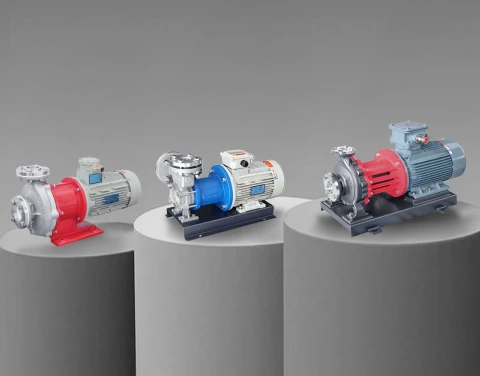
● مضخة AMC-F ذات المحرك المغناطيسي والمبطنة بـ PTFE — الخيار الأمثل للأحماض المؤكسدة، والأحماض المختلطة، وحمض الكروميك، ومحلول إزالة البقع بالبرمنغنات، وحمامات الطلاء غير الكهربائي. أجزاء ملامسة للسائل مصنوعة بالكامل من البوليمر الفلوري، دون أي تسرب.
● مضخة MDH ذات الدفع المغناطيسي الدوامي المصنوعة من الفولاذ المقاوم للصدأ ومضخة MDW ذات الدفع المغناطيسي الدوامي المصنوعة من الفولاذ المقاوم للصدأ — مصنوعة من الفولاذ المقاوم للصدأ 316L لتدوير الحمامات ونقل السوائل ضمن نطاقات التوافق مع الفولاذ المقاوم للصدأ (الحمامات الكاوية الساخنة، والسيانيد، والكبريتات). تتميز بارتفاع الضغط النفاذي في مواجهة انخفاض الضغط الناتج عن المرشح، وانخفاض النبضات.
● مضخة التروس المغناطيسية الصغيرة جدًا MDC-M، ومضخة التروس المغناطيسية MDC-K، ومضخة التروس المغناطيسية MDC-X — وحدات ذات إزاحة موجبة تعمل بالدفع المغناطيسي، مخصصة لجرعات المُلمِّعات والمواد المضافة والمواد المُعوضة والمواد الكيميائية المعالجة عبر نطاق التدفق الكامل.
● سلسلة مضخات الدوامة المُغلفة PWH/PWD/PWM — نسخة بمحرك مُغلف مخصصة للاستخدام المستمر في تطبيقات عالية النقاء، وإعادة تدوير غسالات الغازات، ومعالجة النفايات السائلة، حيث يُعد حتى التعرض الثابت لحلقات O-ring أمرًا غير مرغوب فيه. ويغطي دليل تقنية المضخات ذات المحرك المُغلف الأنواع الهيكلية الثلاثة.
ما يحصل عليه عميل خدمات الطلاء الكهربائي أو لوحات الدوائر المطبوعة (PCB) من شركتنا على وجه التحديد:
● مواصفات المواد تتوافق مع التركيب الكيميائي للحمام — يتم اختيار خيارات البطانة من مواد PVDF وPTFE وPFA وETFE حسب كل محطة على حدة، بدلاً من استخدام مادة واحدة تناسب جميع الحالات.
● محامل كربيد السيليكون المصممة لتحمل المواد الصلبة الكاشطة — مقاومة التآكل الناتج عن جزيئات الأنود الدقيقة والجسيمات المترسبة في دوائر الترشيح.
● تقنية المحرك المتزامن ذي المغناطيس الدائم — وهي إحدى تقنياتنا العشر الأساسية، والتي توفر نبضات منخفضة وكفاءة عالية في ظروف الحمل الجزئي الشائعة في دوائر تدوير الطلاء.
● هيكل خارجي مقاوم للتآكل — مصمم لبيئة قاعة الطلاء الغنية بالأحماض، مع مكونات مطلية ومغلفة.
● مراقبة الجودة الموثقة — شهادة ISO 9001 وشهادة TÜV CE للمضخات الدوامة ذات المحرك المغناطيسي، وسجلات اختبار المعلمات الفردية، وأكثر من 50 براءة اختراع تغطي هيكل المحرك المتزامن ذي المغناطيس الدائم ونظام الهيدروليكا الدوامي المحمي.
إذا كنت تبحث عن مضخات لخط طلاء جديد، أو لتوسيع عملية المعالجة الرطبة للوحات الدوائر المطبوعة (PCB)، أو لعملية تحديث تهدف إلى استبدال المضخات ذات الأختام الميكانيكية التي تعاني من التسرب، فأرسل إلينا متطلباتك الخاصة بتركيب المحاليل الكيميائية ودرجات الحرارة ومعدلات التدفق لكل محطة على حدة، وسنرد عليك في غضون يومي عمل بمجموعة من المضخات الموصى بها، مصحوبة بمواصفات المواد وعروض الأسعار.
احصل على تكوين مخصص لمضخة الطلاء الكهربائي
سواء كنت تدير ورشة طلاء وتشطيب المعادن، أو خط إنتاج لوحات الدوائر المطبوعة (PCB)، أو منشأة لتصنيع ركائز الدوائر المتكاملة (IC)، أو تقوم بتصنيع معدات تشطيب الأسطح كشركة تصنيع المعدات الأصلية (OEM)، فإن فريقنا الهندسي قادر على توفير تصميم المضخة المناسب، سواء كان بنظام الدفع المغناطيسي أو بمحرك مغلق، ليتناسب مع كل حوض، ونقطة جرعات، ومحطة معالجة في خط الإنتاج الخاص بك.
تواصل مع فريقنا: اتصل بـ Aulank | واتساب: +86 13773157367 | البريد الإلكتروني: info@aulankpump.com
تصفح صفحات المنتجات والحلول ذات الصلة:
● سلسلة المضخات المغناطيسية الدوامة