

تطبيقات القطاع وحلول المضخات
Sodium Hypochlorite (NaOCl) Transfer: Sealless Pump Guide
An engineering analysis of high-concentration Sodium Hypochlorite (NaOCl) fluid transfer, focusing on magnetic drive architectures, like the MDW and MDH series, to eliminate oxygen vapor lock, salt crystallization, and chloride-induced corrosion.
Titanium Tetrachloride (TiCl4) Transfer: Sealless Pump Guide
An engineering analysis of Titanium Tetrachloride (TiCl4) fluid transfer in Kroll process and pigment synthesis, focusing on magnetic drive architectures, like the MDW and MDH series, to eliminate moisture-induced TiO2 crystallization and HCl gas emissions.
Hydrofluoric Acid (HF) Transfer: Sealless Pump Engineering Guide
An engineering analysis of anhydrous Hydrofluoric Acid (HF) transfer in petroleum alkylation units, focusing on magnetic drive architectures, like the MDW and MDH series, to eliminate lethal vapor clouds, free-silicon bearing dissolution, and radial thrust.
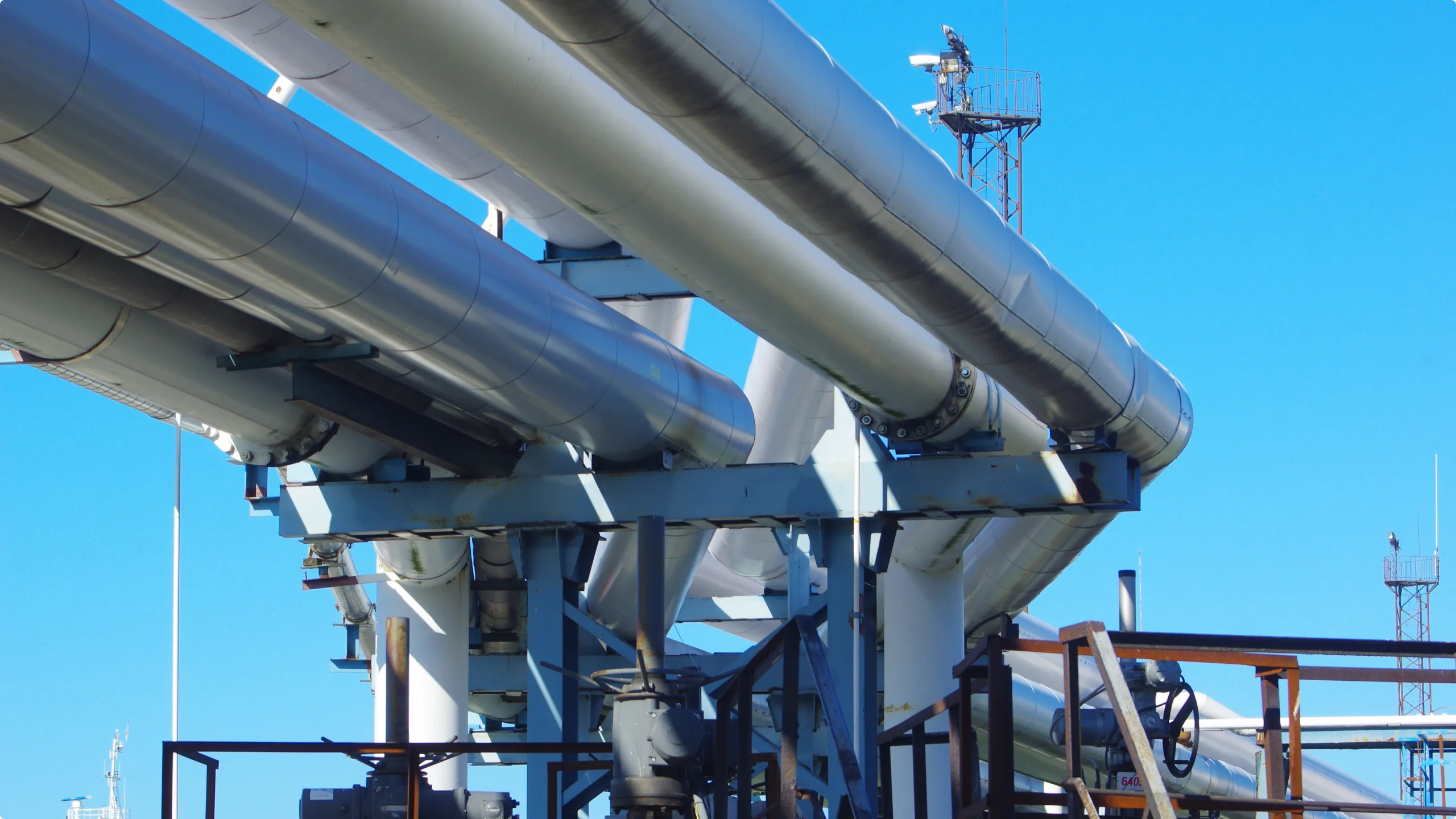
Ethylene Oxide (EO) Transfer: Sealless Pump Engineering Guide
An engineering analysis of Ethylene Oxide (EO) fluid transfer in chemical synthesis, focusing on magnetic drive architectures, like the MDW and MDH series, to eliminate explosive polymerization, fugitive emissions, and centrifugal vapor lock.
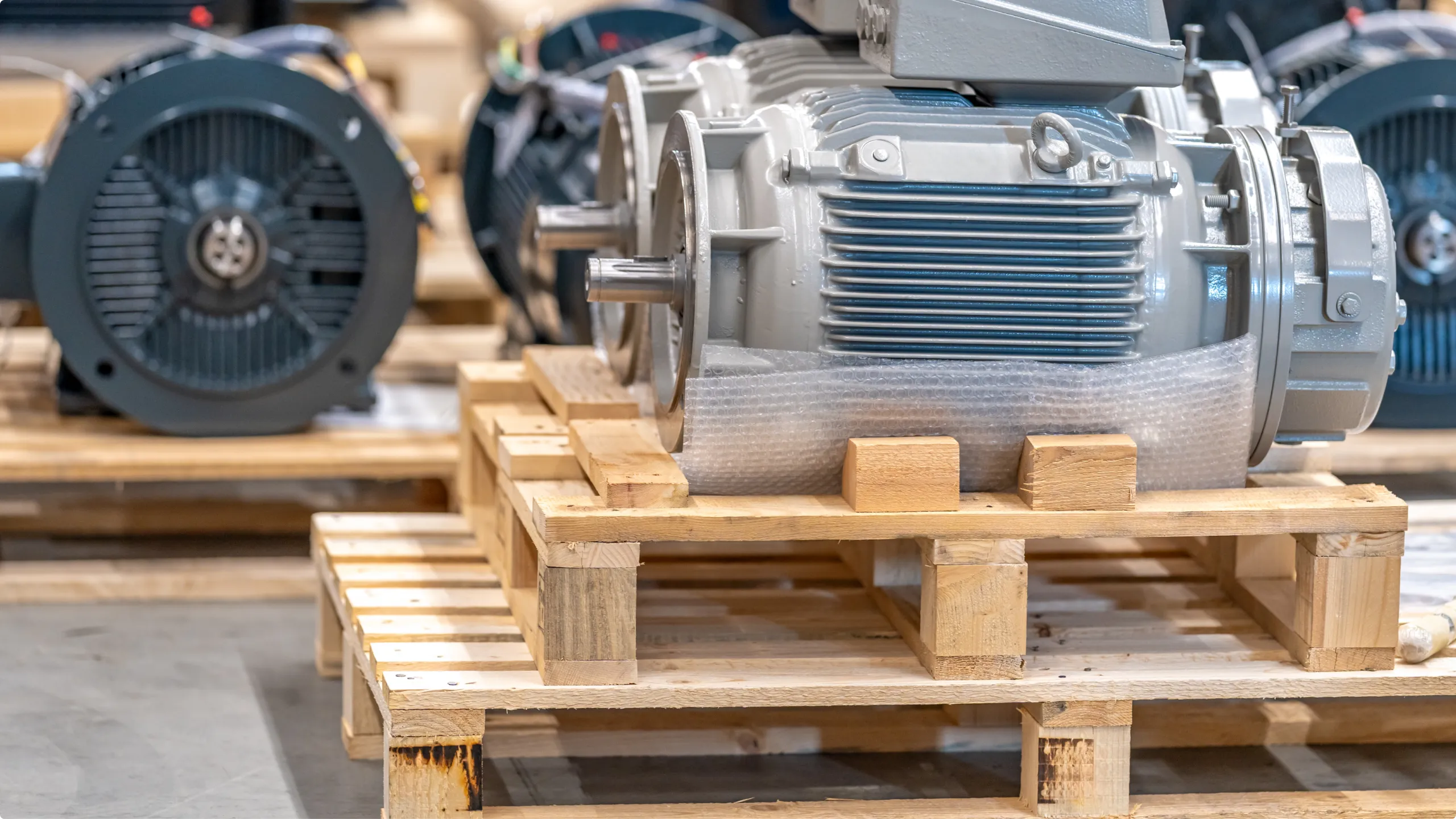
Amine Gas Sweetening & Carbon Capture: Sealless Pump Guide
An engineering analysis of amine gas sweetening (MEA/MDEA) fluid transfer in carbon capture and biogas upgrading, focusing on magnetic drive architectures, like the MDW and MDH series, to eliminate lethal H2S emissions and outgassing vapor lock.
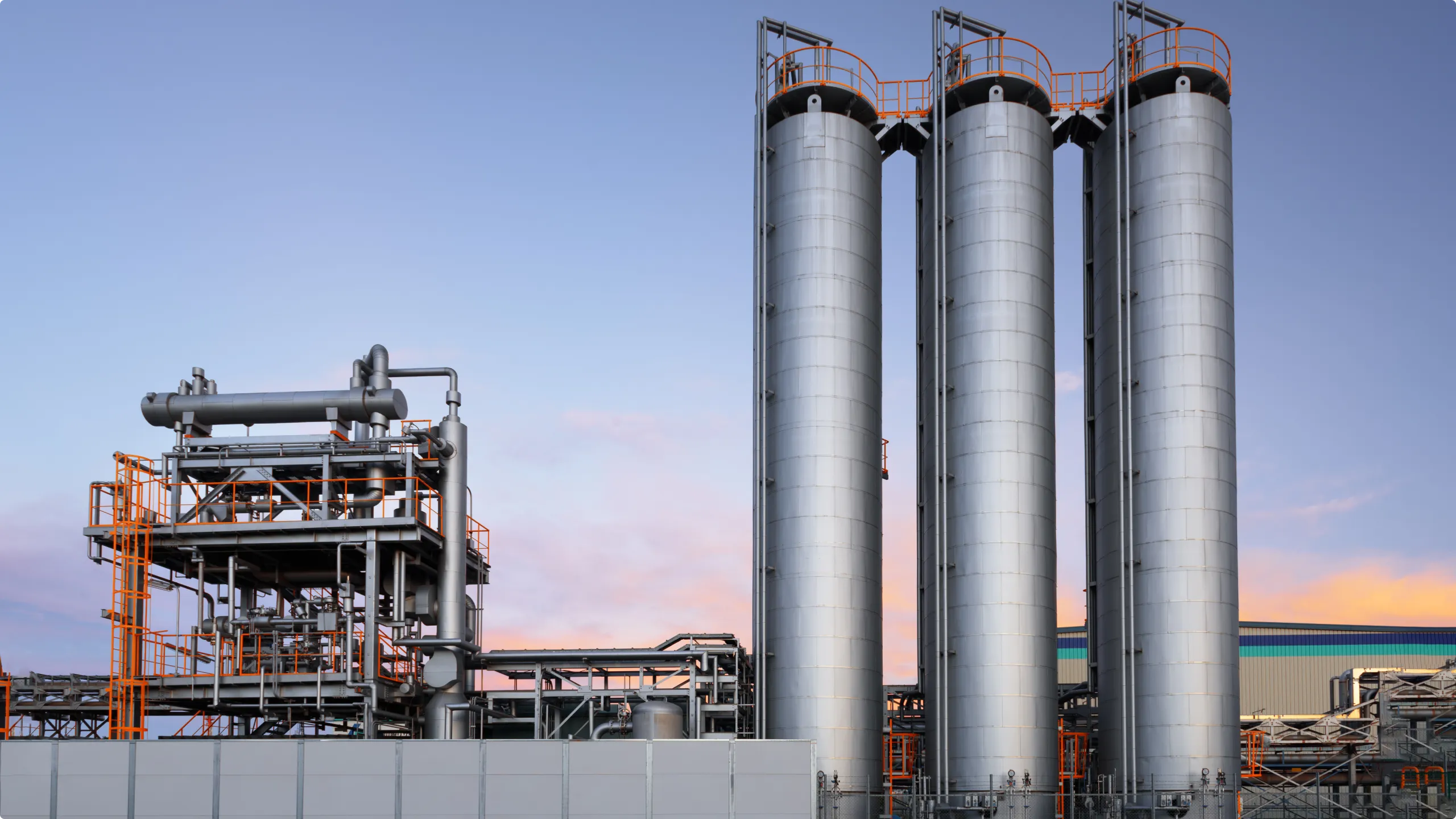
Alkaline Electrolyzer Fluid Transfer: Sealless Pump Engineering Guide
An engineering analysis of Potassium Hydroxide (KOH) electrolyte transfer in alkaline water electrolysis for green hydrogen production, focusing on magnetic drive architectures, like the MDW and MDH series, to eliminate caustic leakage, lye crystallization, and hydrogen gas vapor lock.
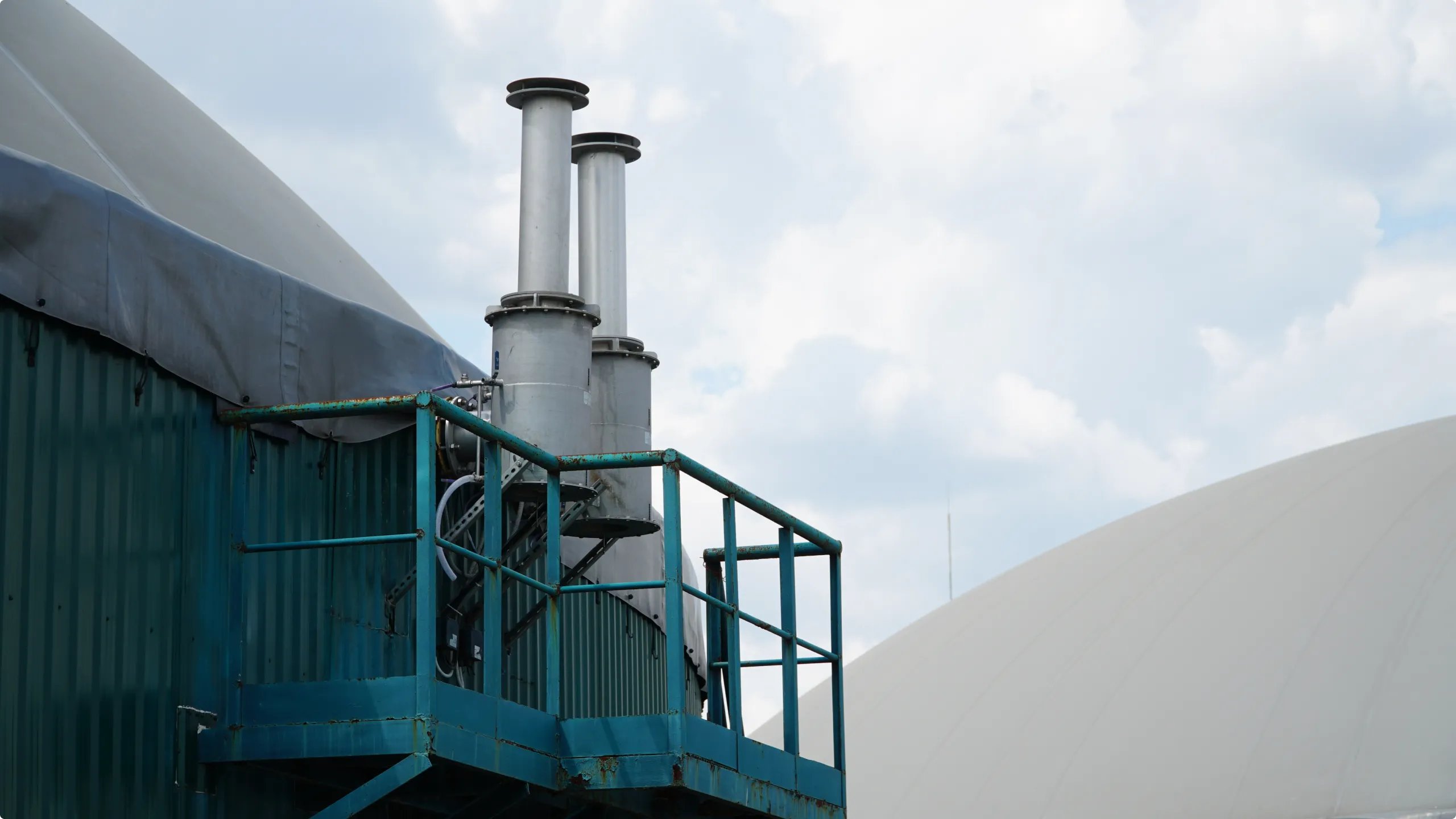
ORC Fluid Transfer: Sealless Pump Engineering Guide
An engineering analysis of Organic Rankine Cycle (ORC) waste heat recovery systems, focusing on magnetic drive architectures, like the MDW and MDH series, to prevent cavitation, low-NPSHa vapor lock, and fugitive emissions of volatile working fluids.

Lithium-Ion Battery Electrolyte (LiPF6) Transfer: Sealless Pump Guide
An engineering analysis of lithium-ion battery electrolyte (LiPF6) fluid transfer, focusing on magnetic drive architectures, like the MDW and MDH series, to eliminate moisture ingress, hydrofluoric acid (HF) generation, and dynamic seal failure.
Molten Salt Heat Transfer: Sealless Pump Engineering in CSP
An engineering analysis of high-temperature molten salt heat transfer in Concentrated Solar Power (CSP) systems, focusing on magnetic drive architectures, like the MDW and MDH series, to eliminate thermal freeze-up, auxiliary trace heating failure, and dynamic seal oxidation.
مشاكل المضخات الصناعية الشائعة وأساليب الحل
في تشغيل المضخة الصناعية، تتطور كثير من الأعطال تدريجياً لا فجأة. غالباً ما تُهمل علامات الإنذار المبكرة، أو لا يُجرى الفحص والصيانة بشكل منهجي. تساعد القضايا والأساليب التالية على توضيح الأسباب الجذرية واستراتيجيات الاستجابة وطرق الوقاية.
عوامل رئيسية في حلول المضخات الصناعية
مشاكل المضخات الصناعية الشائعة وأساليب الحل
في تشغيل المضخة الصناعية، تتطور كثير من الأعطال تدريجياً لا فجأة. غالباً ما تُهمل علامات الإنذار المبكرة، أو لا يُجرى الفحص والصيانة بشكل منهجي. تساعد القضايا والأساليب التالية على توضيح الأسباب الجذرية واستراتيجيات الاستجابة وطرق الوقاية.

التسرب (متعلق بالختم)
يجب أن يبدأ تقييم التسرب بتحديد موقع التسرب وحالة الوسيط. غالباً ما يرتبط تسرب الشفة أو الواجهة بإجهاد التركيب أو سوء المحاذاة أو اختيار الحشية أو عزم الضبط. يتطلب تسرب الختم التحقق من حرارة الوسيط وتذبضات الضغط ووجود تشغيل جاف أو تكهف أو جسيمات صلبة. يجب أن تحدد الحلول أنواع الختم وظروف النظام المساعد المطلوبة مثل التبريد أو الشطف أو العزل، وتشمل التحقق من المحاذاة أثناء التركيب.

تدفق أو رأس غير كافٍ أو غير مستقر
التمييز الأساسي هو ما إذا كان المصدر تغيرات مقاومة النظام أو انحرافاً عن نقطة التشغيل المصممة. انسداد المرشح أو تغير وضع الصمام أو حبس الهواء أو زيادة لزوجة الوسيط يمكن أن يزحزح نقطة التشغيل. الغاز المحبوس يؤثر بشكل كبير على أداء المضخات الطاردة المركزية والدوامة. يجب أن تحدد الحلول نقاط التشغيل العادية والقصوى وتوفر هامش اختيار لمحتوى الغاز وتغير الحرارة واللزوجة.

التكهف وضجيج غير طبيعي واهتزاز
من الأسباب الشائعة نقص NPSH، تصميم أنابيب مدخل غير سليم، غاز محبوس، وتضخيم اهتزاز بسبب أساس التركيب أو إجهاد الأنابيب. يجب أن يبدأ التشخيص بظروف المدخل—مستوى السائل وقطر الأنبوب والمرافق والصمامات والمصفيات—ثم فحوص التركيب والدعم، وأخيراً تقييم نوع المضخة والسرعة. يجب أن تحدد الحلول متطلبات ظروف المدخل وأدنى هامش NPSH وقيود أنابيب المدخل.

تآكل متسارع وعمر خدمة غير طبيعي
تسرّع الجسيمات أو التبلور أو الملوثات أو عدم مطابقة المواد تآكل الأجزاء الملامسة للسائل والمكونات المنزلقة. يضخم الدوران الحراري تباين الفتحات وإرهاق المواد. يجب أن يؤكد التقييم نظافة الوسيط وإمكان التبلور ومحتوى المواد الصلبة وتوافق المواد والتصميم الهيكلي. يجب أن تحدد الحلول متطلبات الترشيح ومحتوى المواد الصلبة المسموح وتوليفات المواد الحرجة.

ارتفاع حرارة مفرط وفقدان كفاءة
يحدث هذا عادة عندما تعمل المضخات لفترات طويلة خارج نطاقات الكفاءة المثلى بسبب تغيرات مقاومة النظام أو تبديد حرارة غير كافٍ، خاصة في تركيبات مدمجة أو بيئات حرارة محيطة عالية. يجب أن يعود التقييم إلى التحقق من نقطة التشغيل ومنحنيات الأداء مع فحوص التبريد والعزل ومساحة التركيب. يجب أن تحدد الحلول ارتفاع حرارة مسموح وحدود حرارة محيطة وقيود مساحة التركيب أثناء الاختيار.
الأسئلة الشائعة
كيف نختار المضخة الصناعية الأنسب لظروف تشغيلنا؟
ما بيانات ظروف التشغيل التي يجب تعريفها بوضوح عند اختيار المضخة؟
هل يمكن استخدام معاملات المضخة المقننة مباشرة للاختيار؟
ما الذي يجب أولويته لتطبيقات الحرارة العالية أو المنخفضة؟
هل تطبيقات الوسائط الحاوية على غاز أو التدفق الدقيق تتطلب تصميم مضخة خاصاً؟
متى يجب النظر في حلول مضخات صناعية مخصصة؟
ما أخطاء الاختيار الشائعة أثناء تكامل النظام؟
كيف يقلل الاختيار الصحيح المخاطر التشغيلية طويلة الأمد؟
هل حلول المضخات الصناعية ذات صلة فقط بالمشاريع الكبيرة؟