


أصدر بيان صحفي من مومباي في أوائل مايو 2026 أرقامًا بشأن أمر كان موردو المضخات في جميع أنحاء آسيا يراقبونه منذ فترة: فقد قُدرت قيمة سوق المضخات الصناعية في الهند بنحو 4.72 مليار دولار أمريكي في عام 2025، مع توقعات تشير إلى وصولها إلى 7.74 مليار دولار أمريكي بحلول عام 2033. وهذا يمثل نموًا سنويًا بنسبة 6.3٪ تقريبًا. وركز البيان على فئة منتجات معينة، وهي المضخات ذات الحجاب الحاجز المزدوج التي تعمل بالهواء (AODD)، وربط الطلب ببرامج البنية التحتية الحكومية. ويستحق الرقم الرئيسي الاهتمام، لكن الأمر الأكثر فائدة لمهندسي المصانع هو معرفة العوامل التي تدفعه، والمكان الذي يناسبه كل نوع من أنواع المضخات.
ما الذي يذكره التقرير فعليًّا
ويأتي هذا الطلب مدفوعًا بعدد قليل من البرامج الحكومية الكبرى، بالإضافة إلى توسع قطاع التصنيع الذي يستمر منذ عدة سنوات. وفيما يلي العوامل المحددة التي تم ذكرها:
● أعمال المياه والصرف الصحي في إطار مبادرة «جال جيفان» وبرنامج «أمروت»، والتي تهدف إلى إنشاء محطات معالجة وتوفير خدمات معالجة النفايات السائلة في جميع أنحاء البلاد.
● توسيع القدرات الصيدلانية، لتصبح اليوم واحدة من أكبر قواعد تصنيع الأدوية في العالم من حيث الحجم.
● توسيع نطاق الصناعات الكيميائية والبتروكيماوية، بما في ذلك بدء تشغيل مناطق استثمار جديدة في قطاعات النفط والكيماويات والبتروكيماويات (PCPIRs).
تعمل هذه المضخات الثلاث على نقل سوائل تآكلية أو لزجة أو كاشطة أو خطرة. وهذا هو القاسم المشترك بينها، وهو السبب في أن الطلب يتجه نحو المضخات المصممة للظروف الصعبة بدلاً من نقل المياه العادية. ويشير التقرير أيضًا إلى نقطة ثانية مهمة من الناحية التجارية: كان يتم تغطية جزء كبير من هذا الحجم من خلال الواردات، لكن المشترين الهنود أصبحوا الآن يشترون المزيد منه محليًا.
لماذا تُعد مضخات AODD جزءًا من الحل
تعمل مضخة AODD بالهواء المضغوط بدلاً من المحرك الكهربائي. حيث يقوم الهواء بتحريك غشائين ذهابًا وإيابًا، بينما تعمل الصمامات الفحصية على توجيه السائل في اتجاه واحد، ويُعد الغشاء هو العنصر الوحيد الفاصل بين السائل وآلية المضخة. لا يوجد أي مانع تسرب على الإطلاق. يمنحها هذا التصميم بعض الخصائص المفيدة حقًا في القطاعات المذكورة أعلاه:
● يمكن تشغيلها حتى تجف دون أن تتلف، كما أنها تعمل ذاتيًا، لذا فهي مناسبة للاستخدام مع البراميل والخزانات التي تفرغ تمامًا.
● إنه يعمل بالهواء المضغوط، لذا لا يوجد خطر حدوث شرارة كهربائية في المناطق القابلة للاشتعال.
● فبدلاً من زيادة الضغط، يتوقف عن العمل عند انسداد خط التفريغ، وهو ما يُعد وضعاً آمناً عند حدوث عطل.
● وهي قادرة على التعامل مع المواد الصلبة والملاط ونطاق واسع من اللزوجة، كما أن تغيير مادة الحجاب الحاجز والصمام يتيح لمضخة واحدة التعامل مع عدة أنواع من السوائل.
فيما يتعلق بعمليات النقل المتقطعة وتفريغ البراميل والمهام المتنوعة التي تتطلب استخدام المضخة نفسها لنقل سوائل مختلفة من أسبوع لآخر، فإن هذه المرونة لا تضاهى. إنها فئة حقيقية لها مكانها الخاص في أرضية المصنع.
الجزء الذي غالبًا ما يُغفل ذكره في البيان الصحفي الخاص بالمنتج
لا تُعد مضخات AODD حلاً شاملاً، وقد يغفل المشتري الذي يكتفي بقراءة بيان المورد عن المفاضلات الموجودة. فهذه المفاضلات موثقة جيدًا وتستحق أن تُذكر بوضوح، لأنها هي التي تحدد أي مضخة تناسب أي خط إنتاج:
● تكلفة الطاقة. يُعد الهواء المضغوط أحد أكثر المرافق تكلفة في المصنع. وبالنظر إلى نظام الهواء ككل، تعمل مضخات AODD بكفاءة إجمالية منخفضة — تقدر عادةً بنحو 10–15٪ — وقد تتكلف تشغيلها، في ظل الاستخدام المستمر المماثل، أكثر بكثير من المضخة الكهربائية. بالنسبة لمضخة تعمل بضع ساعات في الأسبوع، لا يُلاحظ هذا الفرق تقريبًا. أما بالنسبة لمضخة تعمل على مدار الساعة، فإن التكلفة تزداد بسرعة.
● التدفق النبضي. يؤدي الحركة المترددة إلى حدوث تدفق نبضي. أما العمليات التي تتطلب تدفقًا ثابتًا ومتساويًا — مثل الجرعات، والقياس، وتغذية أنظمة الترشيح — فتحتاج إلى مخمد للنبضات، أو إلى مضخة أخرى.
● السقف الأقصى للضغط. تصل ضغط معظم مضخات AODD إلى حوالي 8-10 بار. أما المهام التي تتطلب ضغطًا أعلى فتحتاج إلى نوع آخر.
● الأجزاء القابلة للتآكل. تتعرض الحواجز والصمامات المانعة للرجوع للتلف ويجب استبدالها، وغالبًا ما يتم ذلك كل 6 إلى 18 شهرًا حسب نوع السائل. ويجب تخصيص ميزانية لهذه الصيانة المجدولة ومخزون قطع الغيار.
لا يعني أي من هذا أن المضخة ذات الأسطوانة المزدوجة (AODD) خيار سيئ. بل يجعلها خيارًا محددًا. فالمصانع التي تدفع هذا الطلب تقوم بالعديد من المهام التي تتطلب عكس ذلك — مثل الدوران المستمر، والنقل عالي الكفاءة، والقياس الدقيق، والتغذية الخالية من النبضات — وتُعد المضخة الكهربائية غير المُحكمة الإغلاق هي الأنسب لتلبية هذه المتطلبات.
حيث تفي المضخات ذات الدفع المغناطيسي بدون سدادات بنفس المتطلبات
السمة المشتركة بين المضخات ذات التشغيل الهوائي (AODD) والمضخات ذات الدفع المغناطيسي هي الخاصية الأكثر أهمية في مجالات الصناعات الكيميائية والصيدلانية ومعالجة مياه الصرف الصحي: عدم وجود مانع تسرب للمحور، وبالتالي عدم وجود تسرب من المانع. فكلتا الفئتين تحافظان على احتواء السوائل الخاضعة للتنظيم والسوائل الخطرة. لكنهما تحققان ذلك بطرق مختلفة، وتناسبان مهام مختلفة. وفيما يلي تقسيم عام:
| الواجب | مقاس أفضل | لماذا |
| تفريغ الأسطوانات، النقل المتقطع، السوائل المختلطة | AODD | يعمل بدون سائل، ذاتي الشفط، مضخة واحدة تناسب العديد من السوائل |
| الدوران المستمر في الحمام وفي العملية | بدون مانع تسرب، يعمل بالدفع المغناطيسي | كفاءة أعلى في العمل على مدار الساعة |
| الجرعات والقياس الدقيقان | ترس ذو محرك مغناطيسي | إنتاج حجمي ثابت، بدون نبضات |
| النقل تحت ضغط أعلى | محرك مغناطيسي | لا يقتصر على الحد الأقصى المحدد بـ 8–10 بار في نظام التوزيع اليومي |
| الأحماض والمذيبات القوية، بشكل مستمر | أجزاء ملامسة للسائل غير محكمة الإغلاق ومبطنة | لا تسرب على الإطلاق، بالإضافة إلى تكلفة تشغيل منخفضة على مدار ساعات طويلة |
في الواقع، تستخدم المنشأة الواحدة كلا النوعين. تقوم مضخة AODD بتفريغ برميل المذيب في الصباح؛ بينما تعمل مضخة ذات محرك مغناطيسي بدون سدادات على تشغيل دائرة تدوير المفاعل طوال اليوم؛ وتقوم مضخة تروس مغناطيسية بضخ المادة المضافة بدقة عالية. الطلب الذي يصفه التقرير ليس في الواقع طلبًا على نوع واحد من المضخات. إنه طلب على معدات معالجة السوائل التي تحتوي على سوائل صعبة بأمان، عبر العديد من المهام المختلفة.
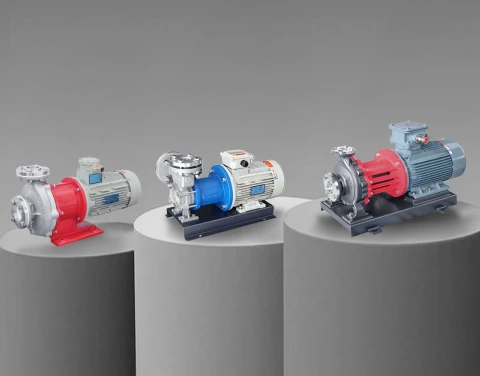
هذا هو القطاع الذي نستهدف خدمته. تغطي مجموعتنا من المضخات الكيميائية الاستخدام المستمر مع السوائل المسببة للتآكل، بفضل تصميمها القائم على الدفع المغناطيسي بدون موانع تسرب وأجزائها الملامسة للسائل المبطنة بالبوليمر الفلوري، كما توفر المجموعة الأوسع من حلول المضخات المقاومة للتآكل خيارات متنوعة حسب نوع السائل والظروف. بالنسبة لمصانع المواد الكيميائية والأدوية ومعالجة مياه الصرف الصحي المذكورة في التقرير، تقع المضخات ذات المحرك المغناطيسي بدون مانع تسرب جنبًا إلى جنب مع مضخات AODD باعتبارها النصف الذي يعمل بشكل مستمر وعالي الكفاءة وخالي من التسرب من نفس مجموعة الأدوات.
ما يعنيه ذلك إذا كنت تبحث عن مضخات في الهند
بعض النقاط العملية المستفادة من الأرقام والتكنولوجيا الكامنة وراءها:
● هذا النمو حقيقي وهو نمو هيكلي، مرتبط ببرامج عامة تمتد لعدة سنوات وليس بدورة ميزانية واحدة. ومن المنطقي التخطيط بناءً عليه.
● يتجه الطلب نحو المضخات المصممة للسوائل الكثيفة، وليس مضخات المياه العادية. ويعد توافق المواد والقدرة على احتواء التسرب من العوامل الرئيسية التي تحدد الاختيار.
● يجب أن يتوافق نوع المضخة مع دورة التشغيل. استخدم المضخات ذات الأسطوانات الهوائية (AODD) في المهام المتقطعة والمهام التي تتضمن سوائل مختلطة؛ واستخدم المضخات ذات الدفع المغناطيسي بدون أختام في المهام المستمرة والمهام التي تتطلب كفاءة عالية والمهام المتعلقة بالقياس. إن شراء نوع واحد لجميع الاستخدامات يؤدي إلى إهدار المال أو المساس بالموثوقية.
● يؤثر توفر الإمدادات وقطع الغيار محليًا على التكلفة الإجمالية للملكية. وينطبق هذا المنطق على المضخات غير المانعة للتسرب بقدر ما ينطبق على المضخات الهوائية ثنائية التشغيل (AODD) — فمدة التسليم والدعم لا يقلان أهمية عن سعر الوحدة.
إذا كنت بصدد اختيار مضخات لمشروع في مجال الكيماويات أو الأدوية أو معالجة مياه الصرف الصحي في الهند، وترغب في معرفة المهام التي تناسب المضخات ذات الدفع المغناطيسي بدون أختام مقارنةً بالمضخات التي تعمل بالهواء المضغوط، فأرسل إلينا تفاصيل السائل ودرجة الحرارة والتدفق ودورة التشغيل، وسنقوم بتحديد التكوين المناسب لها. اتصل بشركة Aulank.
المصادر
ANI / شبكة بيغ نيوز، «الطفرة الصناعية في الهند تدفع الطلب على مضخات AODD إلى الارتفاع» (7 مايو 2026): bignewsnetwork.com
موردور إنتليجنس، سوق المضخات الصناعية في الهند: mordorintelligence.com
Fluid Handling Pro، "المضخات الطردية غير المانعة للتسرب مقابل المضخات الغشائية التي تعمل بالهواء": fluidhandlingpro.com
الدليل الفني لمضخات نورث ريدج، مضخات الغشاء المزدوج التي تعمل بالهواء: northridgepumps.com