


يتميز تصنيع الدهانات والحبر والراتنج بخاصية واحدة تفوق كل الخصائص الأخرى: اللزوجة التي تمتد عبر أربعة مستويات من حيث القيمة. يضخ المذيب المخفف مثل الماء؛ بينما يتصرف الحبر النهائي المخصص للطباعة الأوفست أو قاعدة الطلاء المتغيرة اللزوجة مثل العسل عند 10,000 ميللي باسكال ثانية أو أكثر؛ وبعض الراتنجات تكون شبه صلبة في درجة حرارة الغرفة ويجب تسخينها قبل أن تتحرك على الإطلاق. أضف إلى ذلك المذيبات القابلة للاشتعال، والأصباغ الكاشطة والرقائق المعدنية، وجزيئات التأثير الحساسة للقص، والتنظيف المستمر لتغيير اللون الذي تعيشه مصانع الطلاء، ويصبح اختيار المضخة أحد أصعب المشكلات الهندسية في التصنيع العملي. تؤدي المضخة الخاطئة إلى ظهور ألوان غير متسقة، وتلف أصباغ التأثيرات، وانسداد الخطوط، وتسرب المذيبات، أو تعطل لا يمكن لأي جدول إنتاج استيعابه.
لقد قمنا على مدار أكثر من عقد من الزمن بتصنيع مضخات تروس ذات محرك مغناطيسي، ومضخات دوامية بدون أختام، ومضخات كيميائية مبطنة بالبوليمرات الفلورية لمصنعي الدهانات والحبر والطلاء والراتنجات، حيث نزود كل من الشركات المصنعة للمعدات الأصلية ومصانع المستخدمين النهائيين. يغطي هذا الدليل كيفية اختيار المضخات للمحطات الرئيسية في مصنع الطلاء أو الحبر أو الراتنج — نقل المواد الخام، ودوران قاعدة الطحن، ومعالجة الراتنج عالي اللزوجة، ونقل المذيبات، والتلوين الدقيق وجرعات الألوان، والتعبئة، والتنظيف عند تغيير اللون — مع الاهتمام بمتطلبات اللزوجة والقص وسلامة المذيبات التي تميز مهام مضخات صناعة الطلاء عن الخدمة العامة.
1. محطات الضخ في مصنع الطلاء والحبر والراتنج
يوجد في مصنع الطلاءات أو الأحبار ما بين سبعة إلى عشرة مهام ضخ مختلفة، لكل منها خصائص سائلة متميزة — من حيث اللزوجة، ومحتوى المواد الصلبة، ومحتوى المذيبات، وحساسية القص. ويعد تحديد الصورة الكاملة للوضع الشرط الأساسي لتحديد مواصفات المضخات بشكل سليم لكل محطة:
● نقل المواد الخام — نقل الراتنجات والمواد الرابطة والمذيبات والمواد المضافة السائلة من مخازن التخزين بالجملة والبراميل إلى خزانات الخلط والتخفيف.
● التدوير في المطاحن — تدوير ملاط الصبغة عبر المطاحن الكروية والمطاحن السلة خلال مرحلة التشتت والطحن، مع إضافة صبغة كاشطة.
● الراتنج عالي اللزوجة ونقل التخفيف — نقل قاعدة الطلاء والورنيش والراتنج عالية اللزوجة الجاهزة بين أوعية المعالجة، التي غالبًا ما تكون مُسخَّنة.
● نقل المذيبات — نقل كميات كبيرة من التولوين والزيلين وميثيل إيثيل كيتون (MEK) وخلات الإيثيل والكحولات والإسترات في المناطق ذات الأجواء القابلة للاشتعال.
● التلوين الدقيق وجرعات الألوان — إضافة محددة كمياً للمواد الملونة والمواد المُلوِّنة لتحقيق مطابقة متكررة للدرجات اللونية، والتي غالباً ما تكون متعددة المكونات.
● التعبئة والتغليف — نقل حجمي دقيق إلى العلب والدلاء والبراميل والخرطوشات في نهاية خط الإنتاج.
● تغيير اللون ودورة التنظيف — ضخ المذيب أو سائل التنظيف عبر المضخات والأنابيب بين الدفعات والألوان.
● القياس ثنائي المكونات — جرعات بنسب دقيقة من المادة الأساسية والمصلب لأنظمة الطلاء الإيبوكسية والبولي يوريثانية وأنظمة الطلاء التفاعلية الأخرى.
هناك خمسة قيود مشتركة بين هذه المحطات: التعامل مع اللزوجة بدءًا من المذيبات الرقيقة وحتى المعاجين التي تزيد لزوجتها عن 10,000 ميللي باسكال ثانية، والنقل منخفض القص لحماية أصباغ التأثير وتجنب تراكم الحرارة، وعدم تسرب المذيبات القابلة للاشتعال والخاضعة للتنظيم، والدقة الحجمية لإمكانية إعادة إنتاج الألوان، وسهولة التنظيف لتغيير الألوان بسرعة. لا توجد مضخة واحدة تغطي كل هذه العوامل؛ بل إن مجموعة من المضخات المطابقة لكل مهمة هي الحل الأمثل.
2. لماذا تؤثر اللزوجة على تصميم المضخات في صناعة الطلاء
تُعد اللزوجة أهم متغير على الإطلاق في اختيار المضخات لمصانع الطلاء، وهي تؤثر على تصميم المضخة بدرجة أكبر بكثير من تأثير كل من التدفق أو الارتفاع. وينقسم هذا التصنيف بشكل أساسي إلى مضخات حركية (طرد مركزي ودوامية) ومضخات الإزاحة الإيجابية (التروسية، الفصية، ذات التجويف المتدرج):
● أقل من 500 ميللي باسكال·ثانية. يمكن نقل المذيبات الرقيقة، والمخففات المائية، والأحبار منخفضة اللزوجة بواسطة مضخات دوامية أو طرد مركزي غير محكمة الإغلاق، وهي مضخات بسيطة وتتحمل وجود بعض الهواء المحبوس. ويشمل ذلك نقل المذيبات والعديد من محطات المذيبات المائية.
● من حوالي 500 إلى حوالي 50,000 ميللي باسكال·ثانية. تُستخدم هذه المضخات في الغالب مع الدهانات الجاهزة وقواعد الطلاء والورنيشات والأحبار. تفقد المضخات الطردية كفاءتها بسرعة، وتفشل في نهاية المطاف في الشفط؛ لذا تُعد مضخات التروس ذات الإزاحة الإيجابية الخيار الأمثل، حيث توفر إنتاجية حجمية ثابتة بغض النظر عن ارتفاع ضغط التفريغ الناتج عن السوائل اللزجة.
● أكثر من حوالي 50,000 ميللي باسكال·ثانية. تقترب الراتنجات عالية المحتوى من المواد الصلبة والأحبار اللزجة والقواعد غير المخففة من قوام يتراوح بين العسل والمعجون. وتحتاج هذه المواد إلى مضخات إزاحة موجبة تعمل بسرعات منخفضة، وغالبًا ما تكون مزودة برؤوس مضخات مُدفأة، وأحيانًا بتصميم تجويف متدرج للمواد الأكثر كثافة.
للاطلاع على الجوانب الهندسية الأساسية لكيفية تأثير اللزوجة على نظام الضخ بأكمله — مثل خسائر الاحتكاك، ومؤشر NPSH، وتحديد حجم المحرك، واختيار السرعة — يرجى الرجوع إلى دليل اختيار مضخات السوائل عالية اللزوجة. وللاطلاع على المبدأ الأوسع نطاقًا الذي يفسر سبب قدرة مضخات الإزاحة الإيجابية على توفير حجم ثابت في ظل ضغط متغير، يرجى الرجوع إلى دليل مبدأ عمل مضخات الإزاحة الإيجابية واختيارها. يتم عرض خيارات المنتجات عبر نطاق اللزوجة على صفحة حلول مضخات اللزوجة العالية الخاصة بنا.
3. نقل الراتنج عالي اللزوجة وقاعدة الطلاء: مضخات التروس المغناطيسية
تعد مهمة النقل الأساسية في مصانع الطلاء أو الراتنج — وهي نقل القواعد النهائية والورنيش والراتنج بين الخزانات — من اختصاص المضخات التروسية. توفر المضخات التروسية الداخلية والخارجية تدفقًا سلسًا وثابت الحجم رغم الضغط العكسي العالي الذي يولده السائل اللزج، كما أنها تتميز بقدرة أفضل بكثير على التشغيل الذاتي مقارنة بالمضخات الطردية المركزية عند التعامل مع المواد السميكة. فيما يلي ثلاثة اعتبارات هندسية:
● التشغيل بسرعة منخفضة للحد من القص والحرارة. يؤدي تشغيل مضخة التروس عند عدد دورات أقل في الدقيقة إلى تقليل قوة القص المؤثرة على السائل، وحماية الإضافات الحساسة للقص، والحد من التسخين الناتج عن اللزوجة الذي قد يتسبب في تكوّن طبقة سطحية أو تجلط المنتج. وبالنسبة للراتنجات عالية اللزوجة، فإن الإعداد الأمثل هو استخدام سرعة منخفضة مع سعة ضخ كبيرة.
● رؤوس مضخات مُدفأة للراتنجات التي تتصلب. تكون العديد من الراتنجات شبه صلبة في درجة حرارة الغرفة، وتحتاج إلى التسخين حتى تظل قابلة للضخ. ويمكن تزويد رؤوس المضخات بغلاف عازل أو نظام تدفئة للحفاظ على درجة حرارة الراتنج أعلى من نقطة انسيابه، كما أن درجات حرارة الضخ التي تتراوح من درجة حرارة الغرفة إلى 200 درجة مئوية أو أكثر شائعة في عمليات معالجة الراتنجات.
● تصميم يعمل بالدفع المغناطيسي بدون سدادات. تؤدي الراتنجات وقواعد الطلاء إلى تلوث الأختام الميكانيكية وتصلبها، كما تتسرب القواعد المحتوية على المذيبات عبر الأختام المتآكلة. تعمل المضخة التروسية ذات الدفع المغناطيسي على التخلص من الحاجة إلى الختم الديناميكي، مما يزيل كل من خطر التصلب ومسار تسرب المذيبات. وهذا هو النموذج الذي نقوم بشحنه في أغلب الأحيان إلى مصانع الطلاء والراتنجات.
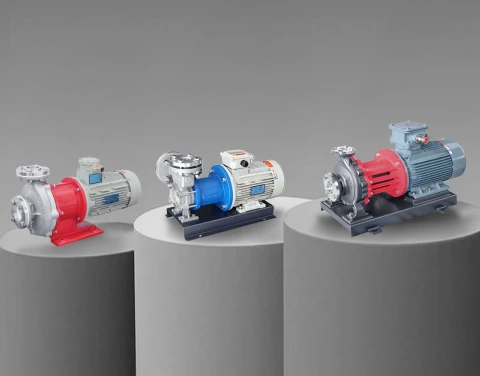
تغطي مجموعة مضخاتنا التروسية المغناطيسية نطاق التدفق الكامل لمصانع الطلاء: المضخة التروسية المغناطيسية الصغيرة جدًا MDC-M لنقل الكميات الصغيرة والتطبيقات المختبرية، والمضخة التروسية المغناطيسية MDC-K للأعمال متوسطة الحجم، والمضخة التروسية المغناطيسية المتوسطة إلى الكبيرة MDC-X لنقل قواعد الطلاء والراتنجات بقدرة إنتاجية عالية. تتعامل مضخة MDC-K مع اللزوجات التي تصل إلى 20,000 cP ودرجات الحرارة التي تصل إلى 250 درجة مئوية، مما يغطي الغالبية العظمى من مهام نقل القواعد والراتنجات. للاختيار بين الهيدروليكا التروسية والدوامية، راجع دليل المقارنة بين المضخة التروسية المغناطيسية والمضخة الدوامية المغناطيسية.
4. نقل المذيبات: المناطق ذات الأجواء القابلة للاشتعال وعدم وجود أي تسرب
تستخدم الطلاءات والأحبار القائمة على المذيبات كميات كبيرة من المذيبات العضوية القابلة للاشتعال — مثل التولوين، والزيلين، وكيتون الميثيل إيثيل، وخلات الإيثيل، والكحولات، وإيثرات الجليكول. وعند نقل هذه المواد من مخازن التخزين بالجملة إلى خزانات التخفيض، تصبح سلامة المذيبات هي العامل الأساسي في اختيار المضخة. وهناك مسألتان تكتسبان أهمية قصوى:
● المحركات المقاومة للانفجار في المناطق المصنفة. تُصنف مناطق التعامل مع المذيبات على أنها مناطق ذات أجواء قابلة للاشتعال (منطقة ATEX 1/2 في أوروبا، والتصنيفات المماثلة في أماكن أخرى). ويجب أن تتمتع محركات المضخات في هذه المناطق بمستوى الحماية من الانفجار المناسب الذي يتوافق مع فئة غاز المذيب وفئة درجة الحرارة. ولا يُسمح باستخدام المحركات الصناعية القياسية؛ بل يلزم استخدام نماذج مقاومة للانفجار.
● لا يوجد أي تسرب للمذيبات المتطايرة. تتسرب من مضخات الختم الميكانيكي أبخرة المذيبات والسوائل، مما يشكل خطرًا للحريق ومشكلة تتعلق بانبعاث المركبات العضوية المتطايرة في ظل تشديد اللوائح البيئية. أما المضخات ذات الدفع المغناطيسي الخالية من الأختام والمضخات ذات المحرك المغلق، فتقضي على مسار التسرب تمامًا، حيث تحبس المذيب خلف أختام ثابتة وداخل غلاف محكم الإغلاق. وقد أصبح هذا الشرط يُدرج بشكل متزايد مباشرةً في مواصفات معدات مصانع الطلاء.
بالنسبة لنقل المذيبات، تتولى مضخة MDW المغناطيسية الدوامة المصنوعة من الفولاذ المقاوم للصدأ 316L والمزودة بمحرك مقاوم للانفجار مهام نقل المذيبات الرقيقة، في حين أن تدفقات المذيبات التي تحمل راتنجات مذابة أو آثار حموضة تتناسب بشكل أفضل مع مضخة AMC-F ذات المحرك المغناطيسي والمبطنة بـ PTFE. بالنسبة لاستعادة المذيبات عالية النقاء بشكل مستمر وخدمة المركبات العضوية المتطايرة (VOC) حيث يكون حتى مسار التعرض الثابت للحلقة الدائرية غير مرغوب فيه، توفر سلسلة المضخات الدوامة المغلقة PWH/PWD/PWM بديلاً للمحرك المغلق. يتم تفصيل هندسة منع التسرب في صفحة حلول المضخات المانعة للتسرب الخاصة بنا.
5. تدوير قاعدة الطاحونة ومعالجة الأصباغ الكاشطة
خلال مرحلة التشتت والطحن، يتم ترطيب الصبغة في مادة الراتنج الحاملة، ثم يتم تقليص حجم جزيئاتها إلى الحجم النهائي المطلوب في مطاحن الكريات ومطاحن السلة. وتواجه مضخة الدوران التي تغذي المطحنة مهمة تجمع بين اللزوجة العالية وحمولة المواد الصلبة الكاشطة — وهي واحدة من أصعب بيئات التشغيل التي تواجهها المضخات في المصنع:
● مقاومة التآكل. تُعد الأصباغ والمواد المالئة (ثاني أكسيد التيتانيوم، وأكاسيد الحديد، وأسود الكربون، وكربونات الكالسيوم، وبعض المواد الموسعة) مواد كاشطة وتؤدي إلى تآكل الأجزاء الداخلية القياسية للمضخة. أما المحامل المصنوعة من كربيد السيليكون والأجزاء الملامسة للسائل، سواء كانت مقواة أو مبطنة بالبوليمرات الفلورية، فتطيل العمر التشغيلي بشكل كبير في دوائر التدوير الخاصة بقاعدة الطاحونة.
● التأثير الواقي والأصباغ المعدنية. تتعرض أصباغ الرقائق المعدنية واللؤلؤية وغيرها من أصباغ التأثيرات البصرية للتلف المادي جراء عمليات السحق والضغط الناتجة عن تداخل التروس ذات الفجوات الضيقة. وبالنسبة لهذه المنتجات التي يُعد لونها عاملاً حاسماً، فإن استخدام مضخات ذات قوة قص منخفضة والمعالجة اللطيفة يحميان التأثير البصري الذي يُباع المنتج بناءً عليه.
● تدفق مستقر لتوزيع متساوٍ. يعتمد التوحيد في حجم الجسيمات على دوران مستمر وقابل للتكرار داخل المطحنة. وتساعد المضخة التي تحافظ على ثبات التدفق رغم تغير لزوجة قاعدة المطحنة أثناء عملية الطحن، في ضمان جودة توزيع متسقة من دفعة إلى أخرى.
فيما يتعلق بدوران السوائل الكاشطة في قاعدة الطاحونة، تتولى هذه المهمة مضخات ذات محرك مغناطيسي داخلي مقوى ومبطنة بالبوليمر الفلوري ومزودة بمحامل من كربيد السيليكون. وينطبق هنا نفس المنطق المتعلق بالتآكل والتآكل الذي يحكم تآكل مكونات المصانع الكيميائية — راجع دليلنا الخاص بعمر أجزاء المضخات الكيميائية وصيانتها للاطلاع على إطار عمل التآكل والصيانة.
6. التلوين الدقيق، وجرعات الألوان، وقياس مكونات ثنائية
تكمن قدرة مصنع الطلاءات أو الأحبار على كسب العملاء أو خسارتهم في قدرته على إعادة إنتاج الألوان، وهي في جوهرها مشكلة تتعلق بالقياس. يتم جرعات المُلوِّنات والمواد الملونة بكميات ونسب دقيقة؛ وفي أنظمة الأحبار متعددة الألوان، يكون لكل لون مضخة جرعات خاصة به؛ أما في الطلاءات التفاعلية، فيجب قياس المادة الأساسية والمُصلب بنسبة دقيقة. ثلاث مهام جرعات متميزة:
● جرعات المُلوِّن والمُصبِّغ. يتم إضافة الملون المركز بكميات محددة لتحقيق درجة لون متكررة، وغالبًا ما يتم التحكم في ذلك من خلال التغذية الراجعة الوزنية أو الحجمية. توفر المضخات التروسية المغناطيسية الدقة الحجمية المطلوبة دون وجود مانع تسرب يسبب تسرب الملون. تتولى المضخة التروسية الصغيرة MDC-M عملية جرعات الملون ذات الأحجام الصغيرة؛ بينما تغطي المضخة MDC-K إضافة الملون ذات التدفق الأعلى.
● ضبط كمية الحبر متعدد الألوان. في أنظمة الحبر الملون، يتم تزويد كل لون بمضخة ذات إزاحة موجبة خاصة به، وغالبًا ما تكون مزودة بمحرك بتردد متغير من أجل التحكم الدقيق في السرعة والحجم لجميع الألوان في آن واحد. وتُعد المضخات المغناطيسية ذات التروس النحيفة مناسبة للتركيبات المدمجة متعددة المضخات التي تستخدمها هذه الأنظمة.
● قياس نسبة مكونين. تتطلب أنظمة الإيبوكسي والبولي يوريثان وغيرها من الأنظمة التفاعلية قياس مادة الأساس والمصلب بنسبة دقيقة، بشكل مستمر وقابل للتكرار. وتوفر المضخات المزدوجة ذات الإزاحة الإيجابية المزودة بنظام تحكم متزامن في السرعة دقة النسب التي تتطلبها هذه التركيبات الكيميائية. للاطلاع على المبادئ العامة لاختيار مضخات الإزاحة الإيجابية، يرجى الرجوع إلى دليلنا الخاص بمبادئ عمل مضخات الإزاحة الإيجابية ودليل اختيارها.
7. اعتبارات تتعلق بالتعبئة وتغير اللون والتنظيف
تفرض نهاية الخط والفجوات بين الدفعات متطلبات خاصة بالمضخات، وهي متطلبات يسهل الاستهانة بها:
التعبئة والتغليف
يتطلب تعبئة العلب والدلاء والبراميل والخرطوشات توزيعًا حجميًا دقيقًا وقابلًا للتكرار، مع إيقاف دقيق للتدفق وبدون أي تسرب. توفر مضخات التروس ذات الإزاحة الإيجابية، المزودة بنظام تحكم دقيق في التشغيل والإيقاف، دقة الجرعات والإيقاف الدقيق للتدفق اللذين تحتاجهما خطوط التعبئة، وذلك عبر نطاق اللزوجة الكامل بدءًا من الأحبار الرقيقة وصولاً إلى القواعد الثقيلة.
تغيير اللون والتنظيف
تتغير الألوان باستمرار في مصانع الطلاء أو الحبر، ويشكل الوقت والمذيبات المستهلكة في شطف المضخات والخطوط بين كل لون وآخر تكلفة مباشرة. وتُقلل المضخات ذات التصميم الداخلي الأملس، والحجم الميت الضئيل، والتصميم الذي يتيح التنظيف السريع أو التفكيك السريع، من الوقت المستغرق في تغيير الألوان وتقلل من كمية المذيبات المستخدمة في التنظيف. تتميز التصميمات غير المانعة للتسرب التي لا تحتوي على تجاويف غرفة مانعة للتسرب بتنظيف أكثر شمولاً مقارنة بالمضخات ذات الختم الميكانيكي، مما يقلل من تلوث الألوان المتبادل — وهو خطر حقيقي على الجودة عند التبديل بين الظلال القوية والباهتة.
في كلا الاستخدامين، توفر مجموعة التروس ذات المحرك المغناطيسي الدقة الحجمية اللازمة لعملية التعبئة، فضلاً عن التصميم الداخلي النظيف الذي يتيح تغيير الألوان بسرعة.
8. مصفوفة اختيار المضخات لمصانع الطلاء والحبر والراتنج
يوجز الجدول أدناه توصياتنا النموذجية في المحطات الرئيسية لمصنع الطلاءات أو الأحبار أو الراتنجات. وتُعد هذه التوصيات نقاط انطلاق؛ حيث يتعين دائمًا التحقق من صحة القيم المحددة للزوجة، ونسبة المواد الصلبة، ومحتوى المذيبات، ومعدل التدفق، مقارنةً بالمنتج الفعلي:
| محطة | طبيعة السائل | اللزوجة النموذجية | المضخة الموصى بها |
| نقل التخفيف بالمذيبات الخفيفة/الماء | نيوتوني، قابل للاشتعال أو مائي | أقل من 500 ميللي باسكال·ثانية | MDW دوامة من الفولاذ المقاوم للصدأ (محرك سابقًا للمذيبات) |
| نقل المذيبات (منطقة مصنفة) | عضوي قابل للاشتعال | أقل من 100 ميللي باسكال·ثانية | MDW مزود بمحرك Ex؛ AMC-F للمذيبات المحتوية على الراتنج |
| نقل قاعدة الطلاء/الطلاء النهائي | الانخفاض في اللزوجة مع القص | 500–20,000 ميللي باسكال·ثانية | مضخة التروس المغناطيسية MDC-K |
| راتنج / ورنيش عالي اللزوجة | شديد اللزوجة، وغالبًا ما يكون ساخنًا | 20,000–50,000+ ميللي باسكال·ثانية | مضخة تروس مغناطيسية MDC-X، برأس مُدفأ |
| قاعدة الطحن / دورة الطحن | ملاط أصباغ كاشطة | 1,000–10,000 ميللي باسكال·ثانية | محرك مغناطيسي مبطّن، محامل من كربيد السيليكون |
| جرعات المُلوِّن / المُصبِّغ | صبغة مركزة | 500–5000 ميللي باسكال·ثانية | مضخة تروس مغناطيسية صغيرة من طراز MDC-M |
| تحكم في تدفق الحبر متعدد الألوان | حبر اللصق | 1,000–30,000 ميللي باسكال·ثانية | مضخة تروس مغناطيسية من طراز MDC + محرك متغير السرعة لكل لون |
| القياس ثنائي المكونات | القاعدة + المُصلب | يختلف | مضخات MDC مزدوجة، سرعة متزامنة |
| التعبئة / التغليف | المنتج النهائي | المجموعة الكاملة | مضخة تروس مغناطيسية من طراز MDC، قطع دقيق |
| استرداد المركبات العضوية المتطايرة / المذيبات | المذيب المسترجع | منخفض | PWH/PWD/PWM دوامة معلبة |
9. مجموعة مضخات الطلاء والحبر والراتنج من Aulank
لقد قمنا بتوريد مضخات التروس ذات المحرك المغناطيسي، والمضخات الدوامة غير المانعة للتسرب، والمضخات الكيميائية المبطنة بالبوليمرات الفلورية إلى شركات إنتاج الطلاء والحبر والراتنجات على مدار أكثر من 17 عامًا في الصين والهند وجنوب شرق آسيا وتركيا ودول أخرى. وفيما يلي مجموعة المنتجات التي نوصي بها عادةً لمصانع الطلاء والحبر والراتنجات:
● مضخة التروس المغناطيسية الصغيرة جدًا MDC-M، ومضخة التروس المغناطيسية MDC-K، ومضخة التروس المغناطيسية MDC-X — تشكل هذه المضخات جوهر مجموعة منتجات الطلاء، حيث تغطي نقل المواد الأساسية عالية اللزوجة والراتنجات والورنيش، بالإضافة إلى عمليات التلوين، وإضافة الألوان، وقياس المكونات الثنائية، والتعبئة عبر نطاق التدفق الكامل، حتى 20,000 cP و250 درجة مئوية مع خيارات الرأس المسخن.
● مضخة مغناطيسية دوامة من الفولاذ المقاوم للصدأ طراز MDW — مخصصة لنقل السوائل ذات اللزوجة المنخفضة والمذيبات الخفيفة، مصنوعة من الفولاذ 316L مع خيارات لمحركات مقاومة للانفجار للاستخدام في المناطق ذات الأجواء القابلة للاشتعال.
● مضخة AMC-F ذات المحرك المغناطيسي والمبطنة بـ PTFE — مخصصة لتدفقات المذيبات الغنية بالراتنجات والكيميائية القوية، ودورات التبريد الكاشطة في قاعدة المطحنة، حيث تقاوم البطانة المصنوعة من البوليمر الفلوري التآكل والتلف.
● سلسلة مضخات الدوامة المُغلفة PWH/PWD/PWM — نسخة بمحرك مُغلف مخصصة للاستخدام المستمر في عمليات استخلاص المركبات العضوية المتطايرة (VOC) والمذيبات، حيث يُفضل تجنب التعرض الثابت لحلقات O-ring. ويغطي دليل تقنية المضخات ذات المحرك المُغلف الأنواع الهيكلية الثلاثة.
ما يحصل عليه مصنعو الطلاءات أو الأحبار أو الراتنجات من شركتنا على وجه التحديد:
● تحديد حجم التروس بما يتناسب مع اللزوجة — يتم اختيار سعة المضخة وسرعتها وفقًا للزوجة المحددة للمنتج للحد من القصاص والتسخين الناتج عن اللزوجة.
● رؤوس المضخات المزودة بنظام تسخين وغطاء عازل — للراتنجات والقواعد التي يجب الحفاظ على درجة حرارتها فوق نقطة انسيابها حتى تظل قابلة للضخ.
● خيارات المحركات المقاومة للانفجار — للمناطق التي تستخدم فيها المذيبات أو التي تتسم بأجواء قابلة للاشتعال، بما يتوافق مع فئة الغاز وفئة درجة الحرارة.
● محامل كربيد السيليكون والأجزاء المبللة المبطنة — للاستخدام مع الأصباغ الكاشطة وعمليات الطحن.
● مراقبة الجودة الموثقة — شهادة ISO 9001 وشهادة TÜV CE للمضخات الدوامة ذات المحرك المغناطيسي، وسجلات اختبار المعلمات الفردية، وأكثر من 50 براءة اختراع تغطي هيكل المحرك المتزامن ذي المغناطيس الدائم، والتروس المغناطيسية، ونظام الهيدروليكا الدوامي.
إذا كنت تبحث عن مضخات لخط إنتاج جديد للطلاءات أو الأحبار، أو لمصنع راتنجات، أو لمشروع تحديث يهدف إلى استبدال مضخات ذات مانع تسرب ميكانيكي أو مضخات تمويضية معطلة، فأرسل إلينا متطلباتك الخاصة باللزوجة ومحتوى المذيبات والتدفق لكل محطة على حدة، وسنرسل إليك مجموعة من المضخات الموصى بها مع المواصفات الفنية وعروض الأسعار في غضون يومي عمل.
احصل على تكوين مخصص لمضخة الطلاء أو الحبر أو الراتنج
سواء كنت تقوم بتصنيع الطلاءات المعمارية أو الصناعية، أو أحبار الطباعة، أو المواد اللاصقة، أو الراتنجات الاصطناعية، أو كنت تصنع معدات الخلط والتعبئة بصفتك مصنعًا للمعدات الأصلية (OEM)، فإن فريقنا الهندسي قادر على توفير المضخة المناسبة التي تعمل بالدفع المغناطيسي، أو المضخة الدوامة غير المانعة للتسرب، أو المضخة المبطنة بالفلوروبوليمر، لتناسب كل محطة نقل أو جرعات أو تعبئة في مصنعك.
تواصل مع فريقنا: اتصل بـ Aulank | واتساب: +86 13773157367 | البريد الإلكتروني: info@aulankpump.com
تصفح صفحات المنتجات والحلول ذات الصلة: