


La fabrication de peintures, d'encres et de résines se caractérise avant tout par une propriété : une viscosité couvrant quatre ordres de grandeur. Un diluant à base de solvant s'écoule comme de l'eau ; une encre offset finie ou une base de revêtement thixotrope se comporte comme du miel à 10 000 mPa·s ou plus ; certaines résines sont quasi solides à température ambiante et doivent être chauffées avant de pouvoir s'écouler. Ajoutez à cela des solvants inflammables, des pigments abrasifs et des paillettes métalliques, des particules à effet sensibles au cisaillement, ainsi que le nettoyage lié aux changements de couleur constants auxquels est confrontée une usine de revêtements, et le choix de la pompe devient l'un des problèmes d'ingénierie les plus complexes dans la fabrication par procédés. Une pompe inadaptée se traduit par une couleur inégale, des pigments à effet endommagés, des conduites bouchées, des fuites de solvants ou des temps d'arrêt qu'aucun calendrier de production ne peut absorber.
Depuis plus de dix ans, nous fabriquons des pompes à engrenages à entraînement magnétique, des pompes vortex sans joint et des pompes chimiques revêtues de fluoropolymère pour les fabricants de peinture, d'encre, de revêtements et de résine, et nous fournissons aussi bien les équipementiers (OEM) que les usines de production des utilisateurs finaux. Ce guide explique comment choisir les pompes pour les principales étapes d'une usine de peinture, d'encre ou de résine : transfert de matières premières, la circulation de la base de broyage, la manipulation de résines à haute viscosité, le transfert de solvants, la teinture de précision et le dosage des couleurs, le remplissage et le nettoyage lors des changements de couleur — en accordant une attention particulière aux exigences en matière de viscosité, de cisaillement et de compatibilité avec les solvants qui distinguent les applications de pompage dans l'industrie des revêtements de celles du service général.
1. Les stations de pompage d'une usine de peinture, d'encre et de résine
Une usine de revêtements ou d'encres comporte entre sept et dix applications de pompage distinctes, chacune présentant des caractéristiques de fluide différentes : viscosité, teneur en solides, teneur en solvants, sensibilité au cisaillement. Il est indispensable de dresser un tableau complet de ces caractéristiques pour pouvoir définir de manière judicieuse les spécifications des pompes pour chaque poste :
● Transfert des matières premières — acheminement des résines, liants, solvants et additifs liquides depuis les réservoirs de stockage en vrac et les fûts vers les cuves de mélange et de dilution.
● Circulation en broyeur — circulation d'une suspension de pigments dans des broyeurs à billes et des broyeurs à panier pendant la phase de dispersion et de broyage, avec une charge de pigments abrasifs.
● Résine à haute viscosité et transfert par déversement — transfert de bases de revêtement, de vernis et de résines finis à haute viscosité entre des cuves de traitement, souvent chauffées.
● Transfert de solvants — transport en vrac de toluène, de xylène, de MEK, d'acétate d'éthyle, d'alcools et d'esters dans des zones à atmosphère inflammable.
● Teinture de précision et dosage des couleurs — ajout dosé de colorants et de pigments pour obtenir une correspondance de teinte reproductible, souvent à partir de plusieurs composants.
● Remplissage et conditionnement — transfert volumétrique précis dans des bidons, des seaux, des fûts et des cartouches en fin de ligne.
● Circulation de rinçage et de changement de couleur — passage d'un solvant ou d'un liquide de nettoyage dans les pompes et les conduites entre les lots et les couleurs.
● Dosage à deux composants — dosage précis de la base et du durcisseur pour les systèmes de revêtement à base d'époxy, de polyuréthane et d'autres composés réactifs.
Cinq contraintes communes à ces postes : la gestion de la viscosité, des solvants fluides aux pâtes de plus de 10 000 mPa·s, un transfert à faible cisaillement pour protéger les pigments à effet et éviter l'accumulation de chaleur, l'absence totale de fuite de solvants inflammables et réglementés, la précision volumétrique pour la reproductibilité des couleurs, et un nettoyage facile pour un changement rapide de couleur. Aucune pompe ne répond à toutes ces exigences ; c'est une gamme adaptée à chaque tâche qui est la solution.
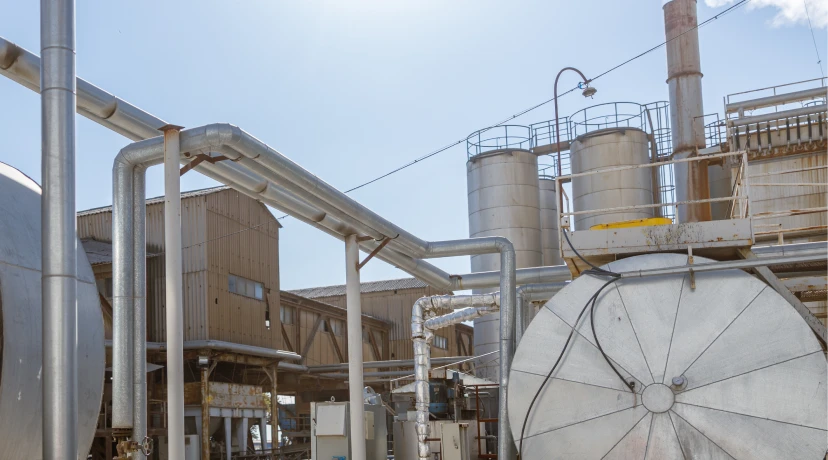
2. Pourquoi la viscosité détermine la conception des pompes dans la fabrication de revêtements
La viscosité est le critère le plus déterminant dans le choix des pompes pour les usines de revêtement, et elle influe bien davantage sur la conception de la pompe que le débit ou la hauteur de refoulement. On distingue principalement deux grandes catégories : les pompes cinétiques (centrifuges et à vortex) et les pompes volumétriques (à engrenages, à lobes et à cavité progressive) :
● Inférieur à environ 500 mPa·s. Les solvants fluides, les diluants à base d'eau et les encres à faible viscosité peuvent être acheminés à l'aide de pompes vortex ou centrifuges sans joint, qui sont simples et tolèrent une certaine quantité d'air entraîné. Cela couvre le transfert de solvants et de nombreux postes utilisant des encres à base d'eau.
● De environ 500 à environ 50 000 mPa·s. C'est ici que sont stockés la plupart des peintures prêtes à l'emploi, des apprêts, des vernis et des encres. Les pompes centrifuges perdent rapidement en efficacité et finissent par ne plus s'amorcer ; les pompes à engrenages à déplacement positif constituent alors le choix idéal, car elles assurent un débit volumétrique constant, quelle que soit la pression de refoulement croissante générée par les fluides visqueux.
● Au-dessus de ~50 000 mPa·s. Les résines à haute teneur en solides, les encres en pâte et les bases non diluées ont une consistance proche de celle du miel ou du mastic. Elles nécessitent des pompes volumétriques fonctionnant à faible vitesse, souvent équipées de têtes chauffantes, et parfois dotées d'une géométrie à cavité progressive pour les fluides les plus visqueux.
Pour en savoir plus sur les aspects techniques liés à l'influence de la viscosité sur l'ensemble du système de pompage (pertes par frottement, NPSH, dimensionnement du moteur et choix de la vitesse), consultez notre guide de sélection des pompes pour fluides à haute viscosité. Pour comprendre le principe général expliquant pourquoi les pompes volumétriques fournissent un débit constant quelle que soit la pression, consultez notre guide sur le principe de fonctionnement et la sélection des pompes volumétriques. Les options de produits disponibles pour toute la gamme de viscosités sont répertoriées sur notre page consacrée aux solutions de pompage pour fluides à haute viscosité.
3. Transfert de résines et de bases de revêtement à haute viscosité : pompes à engrenages magnétiques
Dans une usine de revêtements ou de résines, la tâche principale de transfert — à savoir le déplacement des bases, vernis et résines finis d'un réservoir à l'autre — relève du domaine des pompes à engrenages. Les pompes à engrenages internes et externes assurent un débit régulier et constant malgré la forte contre-pression générée par les fluides visqueux, et elles s'auto-amorcent bien mieux que les pompes centrifuges avec des fluides épais. Trois aspects techniques à prendre en compte :
● Fonctionnement à basse vitesse pour limiter les efforts de cisaillement et la chaleur. Le fonctionnement d'une pompe à engrenages à bas régime réduit les contraintes de cisaillement exercées sur le fluide, protège les additifs sensibles au cisaillement et limite l'échauffement par viscosité susceptible de provoquer la formation d'une pellicule ou la gélification du produit. Pour les résines à haute viscosité, une configuration à faible vitesse et à grand débit est la plus appropriée.
● Têtes de pompe chauffantes pour les résines qui se solidifient. De nombreuses résines sont quasi solides à température ambiante et doivent être maintenues à une température suffisante pour rester pompables. Les têtes de pompe peuvent être équipées d'une chemise de chauffage ou d'un système de chauffage par câble chauffant afin de maintenir la résine au-dessus de son point d'écoulement ; il est courant, dans le domaine des résines, de pomper à des températures allant de la température ambiante à plus de 200 °C.
● Conception à entraînement magnétique sans joint. Les résines et les bases de revêtement encrassent et grippent les garnitures mécaniques, tandis que les bases chargées en solvants s'échappent par les garnitures détériorées. Une pompe à engrenages à entraînement magnétique élimine la garniture dynamique, supprimant ainsi à la fois le risque de grippage et les fuites de solvants. C'est la configuration que nous fournissons le plus souvent aux usines de revêtements et de résines.
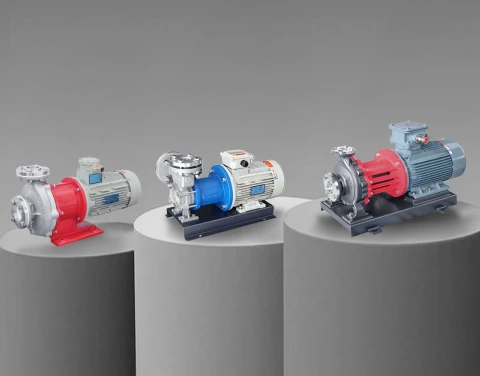
Notre gamme de pompes à engrenages magnétiques couvre l'ensemble des débits requis dans les usines de revêtement : la micro-pompe à engrenages magnétiques MDC-M pour le transfert de petits lots et les applications de laboratoire, la pompe à engrenages magnétiques MDC-K pour les applications de moyenne intensité, et la pompe à engrenages magnétiques MDC-X de taille moyenne à grande pour le transfert à haut débit de bases et de résines. La MDC-K prend en charge des viscosités allant jusqu'à 20 000 cP et des températures allant jusqu'à 250 °C, ce qui couvre la grande majorité des applications de bases de revêtement et de résines. Pour choisir entre un système hydraulique à engrenages et un système à vortex, consultez notre guide comparatif entre les pompes à engrenages magnétiques et les pompes à vortex magnétiques.
4. Transfert de solvants : zones à atmosphère inflammable et absence totale de fuites
Les revêtements et les encres à base de solvants utilisent de grandes quantités de solvants organiques inflammables — toluène, xylène, méthyléthylcétone, acétate d'éthyle, alcools et éthers de glycol. C'est lors du transfert de ces produits des réservoirs de stockage en vrac vers les réservoirs de distribution que la sécurité liée aux solvants est le critère déterminant dans le choix des pompes. Deux aspects sont particulièrement importants :
● Moteurs antidéflagrants dans les zones classées. Les zones de manipulation de solvants sont classées comme zones à atmosphère explosive (zone ATEX 1/2 en Europe, classifications équivalentes ailleurs). Les moteurs de pompe utilisés dans ces zones doivent présenter un indice de protection contre les explosions adapté au groupe de gaz et à la classe de température du solvant. Les moteurs industriels standard ne sont pas autorisés ; des modèles antidéflagrants sont obligatoires.
● Aucune fuite de solvants volatils. Les pompes à garniture mécanique laissent s'échapper des vapeurs et des liquides de solvants, ce qui représente à la fois un risque d'incendie et un problème d'émissions de COV dans un contexte de réglementation environnementale de plus en plus stricte. Les pompes à entraînement magnétique sans garniture et à moteur encapsulé éliminent totalement les voies de fuite, en confinant le solvant derrière des joints statiques et une enveloppe étanche. Cette exigence est de plus en plus souvent intégrée directement dans les spécifications des équipements des usines de revêtement.
Pour le transfert de solvants, notre pompe magnétique vortex MDW en acier inoxydable 316L, équipée d'un moteur antidéflagrant, est adaptée aux solvants fluides, tandis que les flux de solvants contenant de la résine dissoute ou présentant une acidité résiduelle sont mieux pris en charge par la pompe à entraînement magnétique AMC-F revêtue de PTFE. Pour la récupération continue de solvants de haute pureté et les applications COV où même un chemin d'exposition statique du joint torique est indésirable, la série de pompes vortex encapsulées PWH/PWD/PWM offre une alternative à moteur encapsulé. La conception anti-fuites est détaillée sur notre page consacrée aux solutions de pompes étanches.
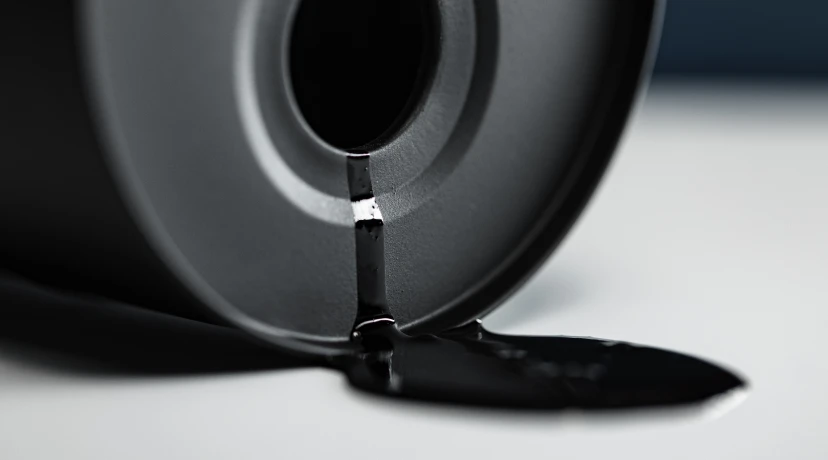
5. Circulation dans le broyeur et traitement des pigments abrasifs
Au cours de la phase de dispersion et de broyage, le pigment est mis en suspension dans le liant résineux et réduit à sa granulométrie finale dans des broyeurs à billes et des broyeurs à panier. La pompe de circulation qui alimente le broyeur doit faire face à un régime combinant une viscosité élevée et une forte charge en solides abrasifs — l'un des environnements les plus difficiles pour les pompes au sein de l'usine :
● Résistance à l'abrasion. Les pigments et les charges (dioxyde de titane, oxydes de fer, noir de carbone, carbonate de calcium, certaines substances d'extension) sont abrasifs et provoquent l'usure des composants internes des pompes standard. Des paliers en carbure de silicium et des pièces en contact avec le fluide trempées ou revêtues de fluoropolymère prolongent considérablement la durée de vie dans les circuits de circulation au niveau de la base du broyeur.
● Effet protecteur et pigments métalliques. Les paillettes métalliques, les pigments nacrés et autres pigments à effet sont endommagés physiquement par l'action de broyage et de pincement exercée par les engrenages à jeu réduit. Pour ces produits où la teinte est essentielle, des configurations de pompes à faible cisaillement et une manipulation en douceur permettent de préserver l'effet visuel qui fait l'attrait du produit.
● Une circulation stable pour une dispersion homogène. Une réduction homogène de la granulométrie dépend d'une circulation régulière et reproductible à travers le broyeur. Une pompe capable de maintenir un débit constant malgré les variations de viscosité de la pâte de broyage pendant le broyage garantit une qualité de dispersion constante d'un lot à l'autre.
Pour la circulation des fluides abrasifs dans les broyeurs, ce sont des pompes à entraînement magnétique, dotées d'un revêtement en fluoropolymère et d'un intérieur trempé, ainsi que de paliers en carbure de silicium, qui assurent cette fonction. Les mêmes principes d'abrasion et de corrosion qui régissent l'usure des composants des usines chimiques s'appliquent ici — consultez notre guide sur la durée de vie et l'entretien des pièces de pompes chimiques pour en savoir plus sur le cadre d'usure et d'entretien.
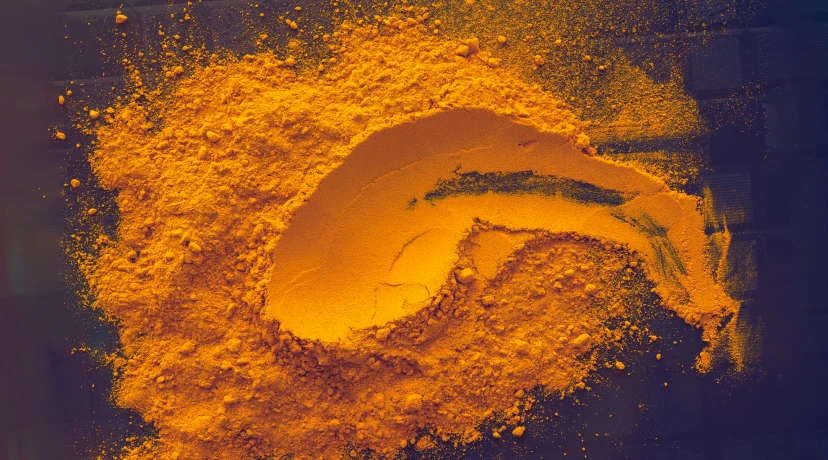
6. Teintage de précision, dosage des colorants et dosage des composants
C'est sur la reproductibilité des couleurs que se joue la capacité d'une usine de revêtements ou d'encres à gagner ou à perdre des clients, et il s'agit avant tout d'un problème de dosage. Les pigments et les colorants sont dosés selon des volumes et des proportions précis ; dans les systèmes d'encres multicolores, chaque couleur dispose de sa propre pompe de dosage ; dans les revêtements réactifs, la base et le durcisseur doivent être dosés selon un rapport précis. Trois tâches de dosage distinctes :
● Dosage des colorants et des pigments. L'ajout dosé de colorant concentré permet d'obtenir une teinte reproductible, souvent contrôlé par un système de régulation gravimétrique ou volumétrique. Les pompes à engrenages magnétiques offrent la précision volumétrique requise, sans joint susceptible de laisser échapper le colorant. La micro-pompe à engrenages MDC-M est conçue pour le dosage de petits volumes de colorant ; la MDC-K est destinée à l'ajout de colorant à plus grand débit.
● Dosage de l'encre multicolore. Dans les systèmes d'encrage en quadrichromie, chaque couleur est alimentée par sa propre pompe volumétrique, souvent équipée d'un variateur de fréquence permettant de contrôler avec précision la vitesse et le débit de toutes les couleurs simultanément. Les pompes à engrenages magnétiques à profil mince conviennent parfaitement aux configurations compactes à plusieurs pompes utilisées dans ces systèmes.
● Dosage à deux composants. Les systèmes à base d'époxy, de polyuréthane et autres composés réactifs nécessitent un dosage précis, continu et reproductible de la base et du durcisseur. Des paires de pompes volumétriques dotées d'un contrôle de vitesse synchronisé garantissent la précision de dosage requise par ces composés. Pour en savoir plus sur les principes généraux de sélection des pompes volumétriques, consultez notre guide sur le fonctionnement et la sélection des pompes volumétriques.
7. Considérations relatives au remplissage, au changement de couleur et au nettoyage
La fin de la ligne et les intervalles entre les lots imposent des exigences spécifiques en matière de pompage, qu'il est facile de sous-estimer :
Remplissage et conditionnement
Le remplissage de boîtes, seaux, fûts et cartouches exige un dosage volumétrique précis et reproductible, avec une coupure nette et sans coulures. Les pompes à engrenages à déplacement positif, dotées d'un contrôle précis du démarrage et de l'arrêt, offrent la précision de dosage et la coupure nette dont les lignes de remplissage ont besoin, sur toute la gamme de viscosités, des encres fluides aux bases épaisses.
Changement de couleur et nettoyage
Dans une usine de revêtements ou d'encres, les changements de couleur sont fréquents, et le temps ainsi que la quantité de solvant nécessaires au rinçage des pompes et des conduites entre deux couleurs représentent un coût direct. Les pompes dotées d'une géométrie interne lisse, d'un volume mort minimal et d'une conception permettant un nettoyage ou un démontage rapide réduisent le temps nécessaire au changement de couleur et diminuent la quantité de solvant utilisée pour le nettoyage. Les modèles sans joint, dépourvus de cavités de chambre d'étanchéité, permettent un nettoyage plus complet que les pompes à garniture mécanique, réduisant ainsi la contamination croisée entre les couleurs — un risque réel pour la qualité lors du passage de teintes vives à des teintes pâles.
Dans les deux applications, la gamme d'engrenages à entraînement magnétique offre la précision volumétrique requise pour le remplissage ainsi qu'une géométrie interne épurée, particulièrement adaptée aux changements de couleur rapides.
8. Tableau de sélection des pompes pour les usines de peinture, d'encre et de résine
Le tableau ci-dessous résume nos recommandations habituelles pour les principales étapes d'une usine de fabrication de revêtements, d'encres ou de résines. Il s'agit là de points de départ ; la viscosité, la teneur en solides, la teneur en solvants et la fluidité doivent toujours être validées en fonction du produit réel :
| Station | Caractère fluide | Viscosité typique | Pompe recommandée |
| Transfert par dilution avec un solvant dilué et de l'eau | Newtonien, inflammable ou aqueux | Moins de 500 mPa·s | MDW vortex en acier inoxydable (ancien moteur pour solvants) |
| Transfert de solvants (zone classée) | Organique inflammable | Moins de 100 mPa·s | MDW avec moteur Ex ; AMC-F pour solvants chargés en résine |
| Transfert de la couche de finition / du revêtement | Fluidification sous cisaillement | 500 à 20 000 mPa·s | Pompe à engrenages magnétique MDC-K |
| Résine / vernis à haute viscosité | Très visqueux, souvent chauffé | 20 000 à 50 000+ mPa·s | Pompe à engrenages magnétique MDC-X, tête chauffée |
| Circulation de la pâte broyée | Suspension de pigments abrasifs | 1 000 à 10 000 mPa·s | Entraînement magnétique à revêtement, paliers en SiC |
| Dosage des colorants | Colorant concentré | 500 à 5 000 mPa·s | Pompe à engrenages micro-magnétique MDC-M |
| Dosage d'encre multicolore | Encre en pâte | 1 000 à 30 000 mPa·s | Pompe à engrenages magnétique MDC + variateur de fréquence par couleur |
| Dosage à deux composants | Base + durcisseur | Variable | Pompes MDC jumelées, vitesse synchronisée |
| Remplissage / conditionnement | Produit fini | Gamme complète | Pompe à engrenages magnétique MDC, coupure précise |
| COV / récupération des solvants | Solvant récupéré | Faible | Vortex en boîte PWH/PWD/PWM |
9. Gamme de pompes pour peinture, encre et résine Aulank
Depuis plus de 17 ans, nous fournissons des pompes à engrenages à entraînement magnétique, des pompes vortex sans joint et des pompes chimiques revêtues de fluoropolymère aux fabricants de revêtements, d'encres et de résines en Chine, en Inde, en Asie du Sud-Est, en Turquie et au-delà. Voici la gamme de produits que nous recommandons généralement pour les usines de peinture, d'encre ou de résine :
● La micro-pompe à engrenages magnétique MDC-M, la pompe à engrenages magnétique MDC-K et la pompe à engrenages magnétique MDC-X constituent le cœur de la gamme de produits pour revêtements. Elles couvrent le transfert de bases, de résines et de vernis à haute viscosité, ainsi que la mise en teinte, le dosage de colorants, le dosage de deux composants et le remplissage sur toute la plage de débit, jusqu’à 20 000 cP et 250 °C avec des options de tête chauffante.
● Pompe magnétique à vortex en acier inoxydable MDW — transfert de réduction de pression pour solvants légers et fluides à faible viscosité, en acier 316L, avec options de moteur antidéflagrant pour les zones à atmosphère inflammable.
● Pompe à entraînement magnétique AMC-F à revêtement en PTFE — flux de solvants chargés en résine et chimiquement agressifs, ainsi que circulation abrasive au niveau de la base du broyeur, où le revêtement en fluoropolymère résiste à l'usure et aux agressions chimiques.
● Série de pompes vortex à moteur encapsulé PWH/PWD/PWM — version à moteur encapsulé destinée à une utilisation en continu pour la récupération de COV et de solvants, lorsque la présence de joints toriques exposés à l'air ambiant n'est pas souhaitable. Le guide technique sur les pompes à moteur encapsulé présente les trois variantes de conception.
Voici précisément ce que nous proposons aux fabricants de revêtements, d'encres ou de résines :
● Dimensionnement des engrenages adapté à la viscosité — débit et vitesse de la pompe sélectionnés en fonction de la viscosité spécifique du produit afin de limiter le cisaillement et l'échauffement visqueux.
● Têtes de pompe chauffées et à double enveloppe — destinées aux résines et aux bases qui doivent être maintenues à une température supérieure à leur point d'écoulement pour rester pompables.
● Options de moteurs antidéflagrants — pour les zones exposées à des solvants et aux atmosphères inflammables, adaptées au groupe de gaz et à la classe de température.
● Roulements en carbure de silicium et pièces en contact avec le fluide revêtues — destinés à la mise en suspension de pigments abrasifs et au broyage.
● Contrôle qualité documenté — certification ISO 9001 et TÜV CE pour les pompes à vortex à entraînement magnétique, rapports d'essais individuels des paramètres, et plus de 50 brevets portant sur la structure d'entraînement synchrone à aimants permanents, la transmission magnétique et le système hydraulique à vortex.
Si vous recherchez des pompes pour une nouvelle ligne de production de revêtements ou d'encres, une usine de résine, ou dans le cadre d'une modernisation visant à remplacer des pompes à garniture mécanique ou péristaltiques défaillantes, envoyez-nous vos exigences en matière de viscosité, de teneur en solvants et de débit pour chaque station, et nous vous proposerons, dans un délai de deux jours ouvrables, une sélection de pompes recommandées accompagnée des spécifications des matériaux et de devis.
Optez pour une configuration personnalisée de votre pompe à peinture, à encre ou à résine
Que vous fabriquiez des revêtements architecturaux ou industriels, des encres d'imprimerie, des adhésifs ou des résines synthétiques, ou que vous produisiez des équipements de mélange et de remplissage en tant que fabricant d'équipements d'origine (OEM), notre équipe d'ingénieurs est en mesure de vous proposer la pompe à entraînement magnétique, la pompe vortex sans joint ou la pompe revêtue de fluoropolymère la mieux adaptée à chaque poste de transfert, de dosage et de remplissage de votre usine.
Contactez notre équipe : Contacter Aulank | WhatsApp : +86 13773157367 | E-mail : info@aulankpump.com
Consultez les pages consacrées aux produits et solutions concernés :
● Série de pompes volumétriques