
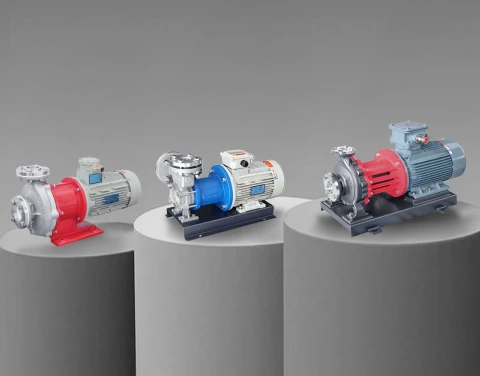



A lithium battery gigafactory is, from a fluids standpoint, a chemical plant that happens to make cells. Between the electrode coating line and the finished pack, the process moves several fluids that punish a badly chosen pump: NMP that is toxic, flammable, and too valuable to lose; electrolyte that turns to hydrofluoric acid the moment it meets moisture; cathode and anode slurries that are thick and abrasive; and coolant loops that sit close to live cells. Each has a different failure mode, and the wrong pump shows up as a leak, a contaminated batch, a worn-out impeller, or a safety incident. At Aulank we build sealless magnetic-drive and vortex pumps for new-energy production, and we have matched pump types to these duties across battery, chemical, and thermal-management systems. This article walks through the fluids in lithium battery manufacturing, which pump fits each, and — just as important — the two duties where a sealless transfer pump is the wrong tool and something else does the job.
The Fluids That Decide the Pump
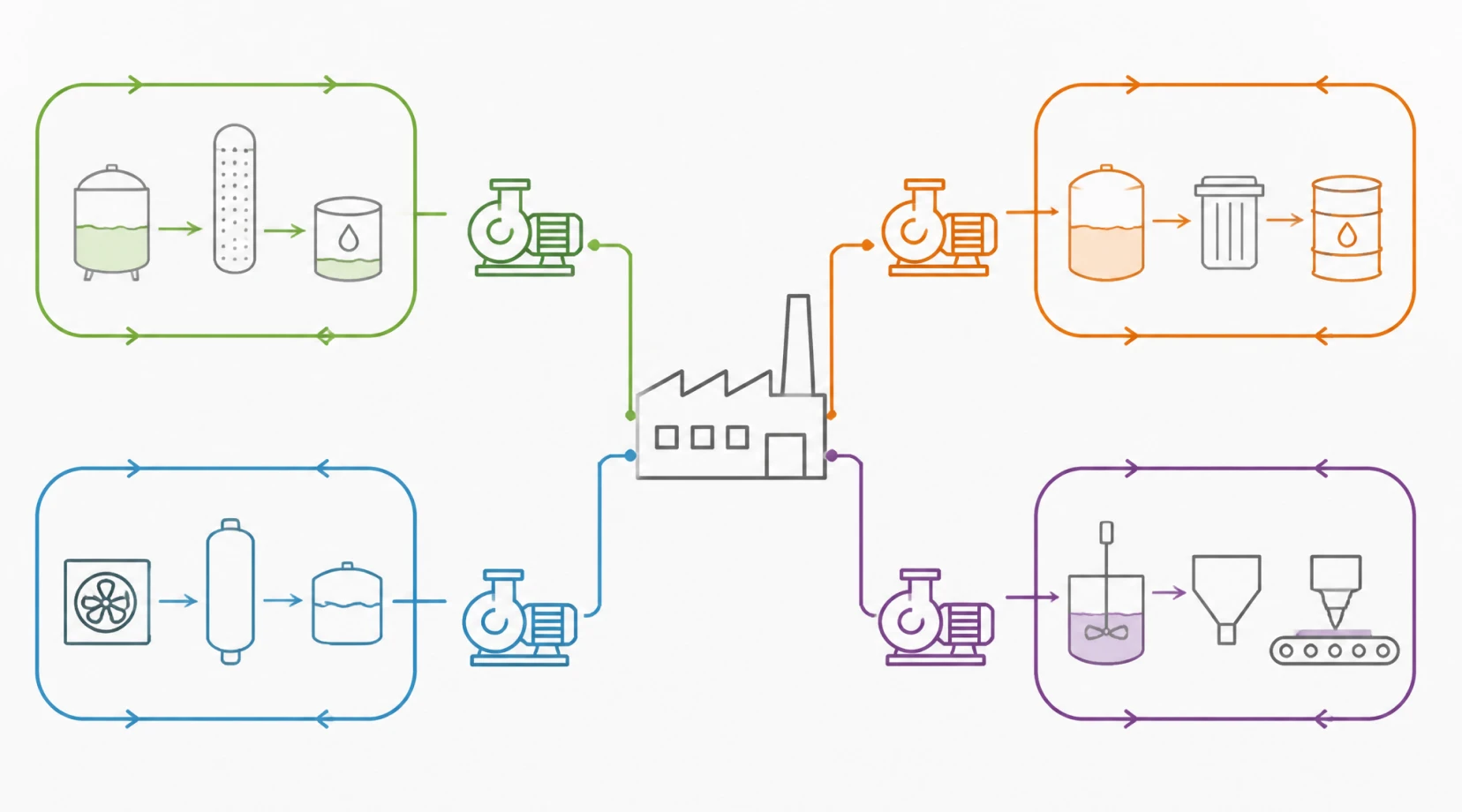
Battery production is usually drawn as a sequence of process steps, but for pump selection it is cleaner to group it by the fluids that actually get moved:
● NMP and cathode slurry. PVDF binder is dissolved in NMP and mixed with cathode active material and conductive carbon to make the coating slurry, which carries roughly twenty percent NMP by weight. NMP is toxic and a combustible liquid with flammable vapours, and it is valuable enough that plants recover and reuse it rather than discard it.
● Electrolyte. A lithium salt — usually LiPF6 — dissolved in carbonate solvents, and extremely moisture-sensitive: trace water hydrolyses the salt and forms hydrofluoric acid, which corrodes the cell and drops its capacity and life. It is also flammable and is blended and filled in dry rooms held at a very low dew point.
● Cathode and anode slurries. Beyond their NMP or water content, the slurries themselves are thick, shear-sensitive, and abrasive — they carry hard active-material and conductive-carbon particles that grind pump internals.
● Thermal-management coolant. Formation, aging, and module or pack testing all circulate coolant loops that often run right next to live cells and costly test hardware, where a leak is both scrap and a safety risk.
NMP Transfer and Recovery — Sealless, Contained, Often Warm
After the slurry is coated and dried, the NMP that evaporates is captured, condensed, and sent through a recovery loop to be purified and re-used. That recovered, clarified NMP — the solvent without the solids — is a textbook sealless-pump duty. NMP itself is a thin, volatile solvent, so the challenge is containment, not viscosity.
● Why sealless. NMP is toxic — worker exposure is limited to about ten parts per million over an eight-hour day — and its vapours are flammable, so a weeping shaft seal is both a health and an ignition risk, and because the solvent is expensive, every drop lost is money. A magnetic-drive pump turns the impeller through a static containment shell with no shaft seal, so there is no leak path at all.
● What fits. For transferring and metering clarified NMP around a recovery and re-dosing loop, a magnetic-drive gear pump gives a steady, contained, pressure-independent flow; our MDC magnetic gear pumps cover that duty across the positive-displacement range, and where the NMP is kept warm to hold viscosity and stability, a jacketed or thermally-managed build keeps it fluid. Where the priority is simply zero fugitive emission, our leak-proof pumps address the containment directly.
● An honest note. The coating slurry itself — NMP plus solids — is not this pump. That is a slurry duty, covered in the boundaries section below.
Electrolyte Handling — Zero Moisture, Zero Leak
Electrolyte is the least forgiving fluid in the plant. LiPF6 reacts with even trace water: the salt breaks down and the resulting phosphorus pentafluoride reacts with moisture to form hydrofluoric acid, which attacks the cathode and current collectors and cuts cell capacity and cycle life. Manufacturers hold moisture below roughly ten to fifteen parts per million and blend and fill in dry rooms kept near a minus-forty-degree-Celsius dew point. The fluid is flammable on top of that.
● Sealless is not optional. A shaft seal is a leak path out and, just as important here, a moisture path in — and on a flammable, HF-forming fluid neither is acceptable. Bulk electrolyte transfer, from drum or tote to a day tank and from the day tank to the filling line, belongs to a sealless chemical magnetic-drive pump; the same zero-leak principle behind our containment pumps applies here, with wetted materials chosen for the electrolyte.
● Material compatibility. Carbonate solvents and any HF that forms are aggressive toward the wrong elastomers and metals, so the impeller, containment shell, O-rings, and bearings have to be selected for this specific fluid, not for chemical service in general.
● Cell filling is a different machine. Dosing electrolyte into individual cells under vacuum, without foaming or contamination, is done by dedicated filling equipment with needle or nozzle dosing — not a transfer pump. A pump feeds that machine; it does not replace it. More on this in the boundaries below.
Thermal Management and Coolant Circulation
Cells generate heat and are tested against it, so coolant moves through formation and aging racks, module and pack test rigs, and chiller or temperature-control units. These loops sit close to live cells and expensive test hardware, so leak-tightness matters as much as flow.
● What fits. Water-glycol and dielectric coolants circulate well on a sealless vortex or magnetic-drive pump — high head at modest flow for tight temperature control, with no seal to weep onto a cell tray. Our MDW and MDH magnetic vortex pumps handle this precision-circulation duty, the same platform we supply into semiconductor chiller loops, and their sealless construction keeps the coolant off the hardware.
● Colder and dielectric loops. Dielectric immersion coolant and low-temperature circuits use the same sealless approach; the colder the loop runs, the more the pump platform and materials have to suit the temperature as well as the leak-tightness.
Where a Sealless Transfer Pump Is the Wrong Tool
Two duties in battery production sit outside a magnetic-drive transfer pump, and it is worth being blunt about them:
● Cathode and anode slurry. The slurry is thick, shear-sensitive, and loaded with abrasive active-material and carbon particles. A tight-clearance gear or vortex pump would wear out fast — in battery recycling, a standard stainless centrifugal moving abrasive cathode slurry has lost more than half its impeller vane thickness within weeks. Slurry transfer belongs to pumps built for abrasion and viscosity: progressive-cavity (eccentric screw), peristaltic (hose), or piston and diaphragm designs, often with abrasion-resistant or lined wetted parts.
● Cell-level electrolyte filling. Dosing a few grams of electrolyte into each cell under vacuum, without foaming or contamination, is the job of a dedicated electrolyte filling machine with needle or nozzle dosing — not a bulk transfer pump. The transfer pump feeds that machine; it does not do the filling.
Getting these two right — by not forcing a magnetic-drive pump into them — is as much a part of good selection as picking the right pump for NMP and electrolyte.
Matching the Pump to the Battery Process
As a starting point, the process fluid and its containment and abrasion demands point to the pump — including the honest cases that fall outside a sealless transfer pump:
| Process fluid / duty | Fluid character | Key requirement | Recommended pump |
| NMP recovery & re-dosing (clarified solvent) | Thin, volatile, toxic, flammable, high-value | Zero leak, contained, metered | Magnetic-drive gear pump (MDC) |
| Warm / jacketed NMP transfer | Thin solvent handled hot | Containment + thermal management | Jacketed magnetic-drive / hot-oil-platform pump |
| Electrolyte bulk transfer (tote → day tank → line) | Flammable, moisture-sensitive, HF-forming | Sealless, dry, compatible materials | Magnetic-drive gear / sealless chemical pump |
| Coolant circulation (formation, aging, test) | Water-glycol or dielectric, near cells | Zero leak, high head at low flow | Magnetic vortex pump (MDW / MDH) |
| Cathode / anode slurry | Thick, shear-sensitive, abrasive | Abrasion & viscosity handling | Progressive-cavity / peristaltic / piston (outside sealless-transfer range) |
| Cell electrolyte filling | Precise micro-dose, vacuum, no foaming | Dedicated dosing under vacuum | Electrolyte filling machine (outside transfer-pump range) |
The table points to a first choice; the final selection turns on the exact fluid and its temperature, whether it has to stay contained and dry, whether it carries abrasive solids, and the flow and pressure the process needs.
Key Selection Considerations
When you specify a pump for a step in battery production, the parameters that decide whether it runs safely and cleanly are:
● Containment first. On NMP and electrolyte, sealless is the starting point — a shaft seal is a leak path out and, for electrolyte, a moisture path in.
● Material compatibility. NMP swells or attacks some polymers and elastomers; HF and carbonate solvents attack others. Wetted parts are chosen for the specific fluid, not for generic chemical duty.
● Moisture and inert handling. Electrolyte pumps live in dry rooms; the pump and its connections must not introduce a moisture-ingress path or dead legs that trap it.
● Temperature. NMP is often handled warm to stay fluid and stable, while coolant loops may run cold; the pump platform and materials have to match the temperature as well as the fluid.
● Abrasion. Anything carrying active-material or carbon particles rules out a tight-clearance sealless pump — that is a slurry-pump decision, not a transfer-pump one.
● Flammability and area classification. NMP and electrolyte are flammable, so motors and controls in those areas need the correct hazardous-area rating.
● Metering accuracy. Where NMP or electrolyte has to be dosed rather than just moved, a positive-displacement magnetic-drive pump gives repeatable, pressure-independent flow.
Configure a Pump for Your Battery Line
Tell us the fluid — recovered NMP, electrolyte, a coolant, or a process solvent — with its temperature, whether it has to stay contained and dry, and the flow and pressure you need. Our engineering team will configure a sealless magnetic-drive or vortex pump for the duty, or tell you plainly when a slurry pump or a filling machine is the right answer instead. Options span our vortex, positive-displacement, and chemical pump ranges.
Talk to our team: Contact Aulank | WhatsApp: +86 13773157367 | Email: info@aulankpump.com
Related reading: leak-proof · high-viscosity · positive-displacement pump selection