


Ethylene Oxide (EO) is a foundational building block in global chemical manufacturing, utilized extensively in the synthesis of ethylene glycol, ethoxylates, polyurethanes, and as a critical sterilant for medical equipment. However, fluid transfer of liquid Ethylene Oxide presents one of the most hazardous engineering challenges in the petrochemical industry. EO is extremely toxic, a known human carcinogen, highly flammable, and thermodynamically volatile, possessing a boiling point of merely 10.7°C (51.3°F) at standard atmospheric pressure. Furthermore, it is violently reactive. Traditional centrifugal pumps equipped with dynamic mechanical seals structurally fail in EO service. The friction generated by mechanical seals provides localized activation energy, triggering runaway exothermic polymerization that solidifies the fluid and destroys the pumping mechanism. Simultaneously, its low boiling point guarantees frequent vapor flashing, leading to chronic centrifugal vapor lock. This engineering guide details the structural necessity of sealless fluid containment in Ethylene Oxide processing, examining how specific magnetic drive architectures, including the MDW and MDH series, eradicate friction-induced polymerization, process severe two-phase gas-liquid flows, and guarantee the zero-leakage performance required for extreme hazardous material compliance.
Friction Heat and Runaway EO Polymerization
The primary vulnerability of pumping liquid Ethylene Oxide utilizing conventional equipment lies in the chemical's extreme sensitivity to heat and its tendency to self-polymerize. Mechanical seals require a microscopic liquid film between the rotating and stationary faces to provide hydrodynamic lubrication. The physical sliding contact of these faces inherently generates localized frictional heat.
When pumping EO, this localized heat acts directly as activation energy. The Ethylene Oxide trapped within the seal clearances undergoes rapid, exothermic polymerization, transforming from a low-viscosity liquid into a hard, solid plastic-like polymer. This solid mass instantly destroys the precision tolerances of the seal faces, causing the seal to wedge open and shatter. This mechanical destruction results in the immediate, uncontained release of boiling Ethylene Oxide liquid and toxic vapor into the chemical facility, triggering catastrophic environmental alarms and severe explosion risks.
The Sealless Magnetic Drive Boundary
The absolute structural solution to friction-induced polymerization is the complete elimination of the dynamic shaft penetration. Sealless magnetic drive architectures replace the physical drive shaft with a synchronized magnetic coupling separated by a stationary containment shell (isolation sleeve).
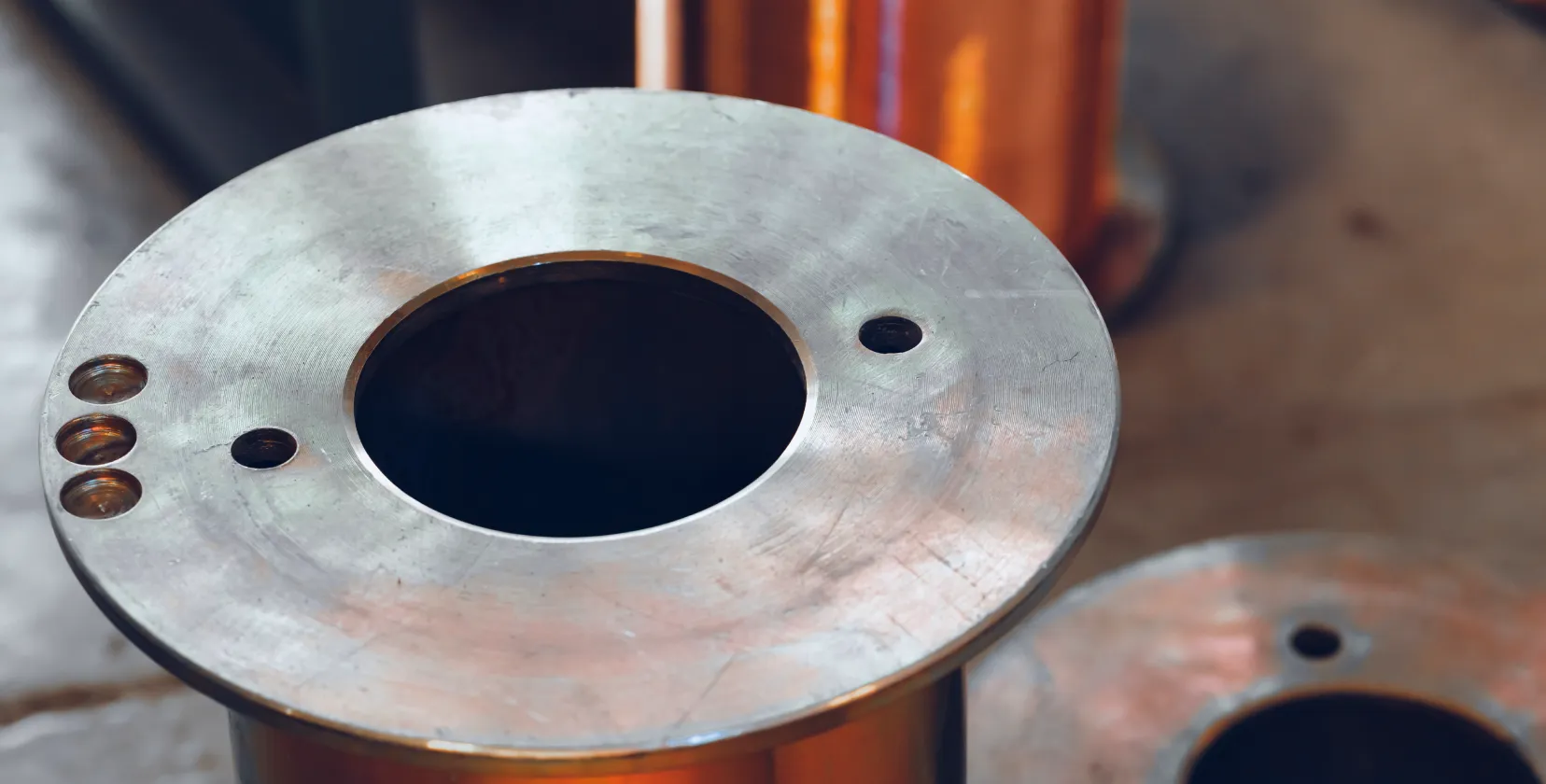
Constructed from heavy-walled 316L stainless steel or Hastelloy, this isolation sleeve establishes a permanent, static pressure boundary between the highly reactive EO and the external environment. Because there are no dynamic rotating seals intersecting the fluid envelope, there is zero friction heat generated at the fluid boundary. The Ethylene Oxide remains isolated in a cool, hermetic environment, completely stripping the system of the localized heat required to initiate polymerization. This structural evolution guarantees continuous operation without polymer clogging and ensures zero fugitive emissions of the toxic monomer.
Thermodynamic Volatility and Centrifugal Vapor Lock
Beyond its chemical reactivity, liquid Ethylene Oxide is notoriously difficult to pump due to its low boiling point (10.7°C). Transferring EO involves operating with critically low Net Positive Suction Head available (NPSHa). Any minor frictional pressure drop in the suction piping or at the pump inlet causes the fluid to flash instantly into EO vapor.
Standard centrifugal pumps are engineered strictly for incompressible liquids. When EO flashes into vapor, centrifugal acceleration forces the heavier liquid to the outer perimeter of the volute, trapping the lighter gas bubbles at the center of the impeller (the low-pressure suction eye). When the volume of entrained gas exceeds roughly 3% to 5%, the vapor pocket completely blocks incoming liquid. The pump loses prime and spins in a dry pocket of gas—a condition known as vapor lock (or gas binding). Fluid circulation ceases, and the pump’s internal components overheat rapidly due to a lack of fluid lubrication.
Vortex Hydraulics for Two-Phase Flow Processing
To resolve the persistent threat of vapor flashing and gas binding in EO transfer, process engineers specify the vortex pump architecture. A vortex (regenerative peripheral) pump operates on a fluid dynamic principle fundamentally distinct from standard centrifugal units.
The vortex impeller features dozens of radial vanes rotating within a symmetrical annular channel, creating an intense, high-velocity spiraling motion. Rather than allowing the flashed EO bubbles to coalesce and accumulate at a central suction eye, this violent internal turbulence aggressively chops and compresses the entrained gas, keeping it fully suspended and homogenized within the liquid phase. The pump forcibly sweeps this two-phase mixture out through the discharge port. This specialized hydraulic mechanism enables the vortex magnetic drive pump to continuously process up to 20% entrained gas by volume without losing prime, guaranteeing uninterrupted EO transfer even during severe ambient temperature spikes or suction pressure transients.
Tribology in Ultra-Low Viscosity Monomers: SSiC Bearings
In a sealless magnetic drive pump, the inner rotor assembly operates fully submerged and is supported by internal journal bearings lubricated solely by the process fluid. Liquid Ethylene Oxide possesses exceptionally low kinematic viscosity (frequently below 0.3 cP), offering virtually zero natural hydrodynamic lubricity.
If standard bearing materials are utilized, they fail to maintain a fluid film and rapidly undergo boundary friction, overheating, and galling. Process engineers mandate Sintered Silicon Carbide (SSiC) for all internal wetted bearings and thrust washers. SSiC is a single-phase ceramic offering extreme mechanical hardness, absolute chemical inertness, and a remarkably low coefficient of friction. Its superior thermal conductivity rapidly dissipates minor internal frictional heat into the bulk fluid stream, preventing localized EO boiling within the precision bearing clearances and ensuring tens of thousands of hours of wear-free operation.
Strict Containment and Regulatory Compliance
Ethylene Oxide is classified by the EPA and OSHA as an extremely hazardous substance, with Permissible Exposure Limits (PEL) strictly capped at 1 part per million (ppm) over an eight-hour shift. The fundamental flaw of mechanically sealed pumps is that they inherently emit microscopic quantities of vapor as part of their normal operation. In EO service, any fugitive emission is a severe regulatory violation. The heavy-walled static containment shell of a magnetic drive pump structurally eradicates this risk, ensuring absolute zero-leakage compliance and protecting facility personnel from carcinogenic exposure and explosive gas accumulation.
Conclusion
The extreme chemical reactivity and thermodynamic volatility of Ethylene Oxide dictate that standard mechanical seals are structurally obsolete for EO fluid transfer. Operating with liquid EO guarantees friction-induced polymerization, seal destruction, and chronic vapor lock in standard centrifugal units. By transitioning to sealless magnetic drive architectures equipped with heavy-walled 316L containment shells, SSiC tribology, and regenerative vortex hydraulics, petrochemical operators establish an indestructible, zero-leakage fluid boundary. This integration completely removes the localized heat that triggers polymerization, continuously processes flashed vapor, and guarantees absolute environmental compliance in hazardous material handling.
Engineered Fluid Solutions with Aulank Pump
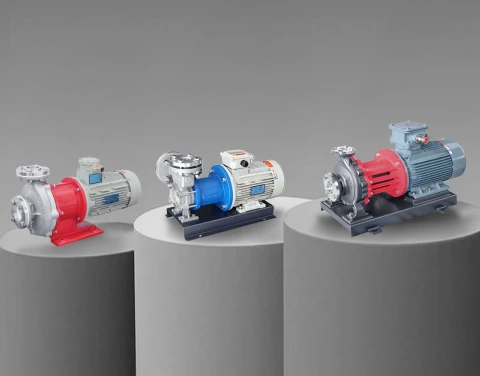
Aulank Pump designs specialized sealless fluid transfer equipment explicitly engineered for extreme hazardous material processing and petrochemical synthesis. Our high-performance magnetic drive pumps provide the absolute hermetic containment required to safely process highly toxic, reactive, and volatile monomers like Ethylene Oxide. By combining heavy-walled passivated metallurgy with advanced regenerative vortex hydraulics, as seen in our MDP Permanent-Magnet Canned Vortex Magnetic Drive Pump, Aulank delivers exceptional gas-handling capabilities and zero-leakage reliability under severe systemic stress. Consult our engineering team for precise low-NPSHa analysis, metallurgical validation, and system integration support for your advanced chemical synthesis facility.
