

Branchenanwendungen und Pumpenlösungen
Sodium Hypochlorite (NaOCl) Transfer: Sealless Pump Guide
An engineering analysis of high-concentration Sodium Hypochlorite (NaOCl) fluid transfer, focusing on magnetic drive architectures, like the MDW and MDH series, to eliminate oxygen vapor lock, salt crystallization, and chloride-induced corrosion.
Titanium Tetrachloride (TiCl4) Transfer: Sealless Pump Guide
An engineering analysis of Titanium Tetrachloride (TiCl4) fluid transfer in Kroll process and pigment synthesis, focusing on magnetic drive architectures, like the MDW and MDH series, to eliminate moisture-induced TiO2 crystallization and HCl gas emissions.
Hydrofluoric Acid (HF) Transfer: Sealless Pump Engineering Guide
An engineering analysis of anhydrous Hydrofluoric Acid (HF) transfer in petroleum alkylation units, focusing on magnetic drive architectures, like the MDW and MDH series, to eliminate lethal vapor clouds, free-silicon bearing dissolution, and radial thrust.
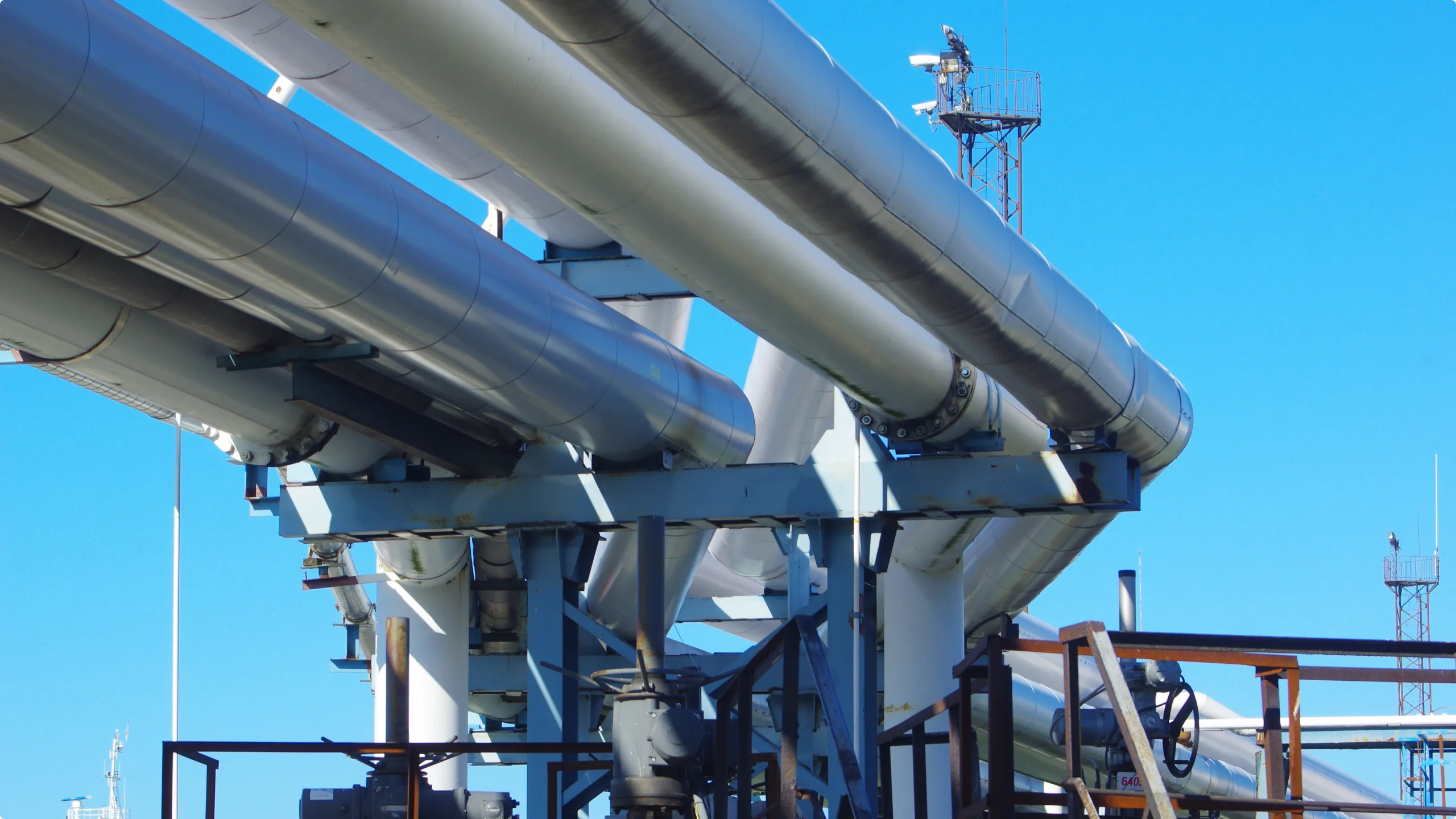
Ethylene Oxide (EO) Transfer: Sealless Pump Engineering Guide
An engineering analysis of Ethylene Oxide (EO) fluid transfer in chemical synthesis, focusing on magnetic drive architectures, like the MDW and MDH series, to eliminate explosive polymerization, fugitive emissions, and centrifugal vapor lock.
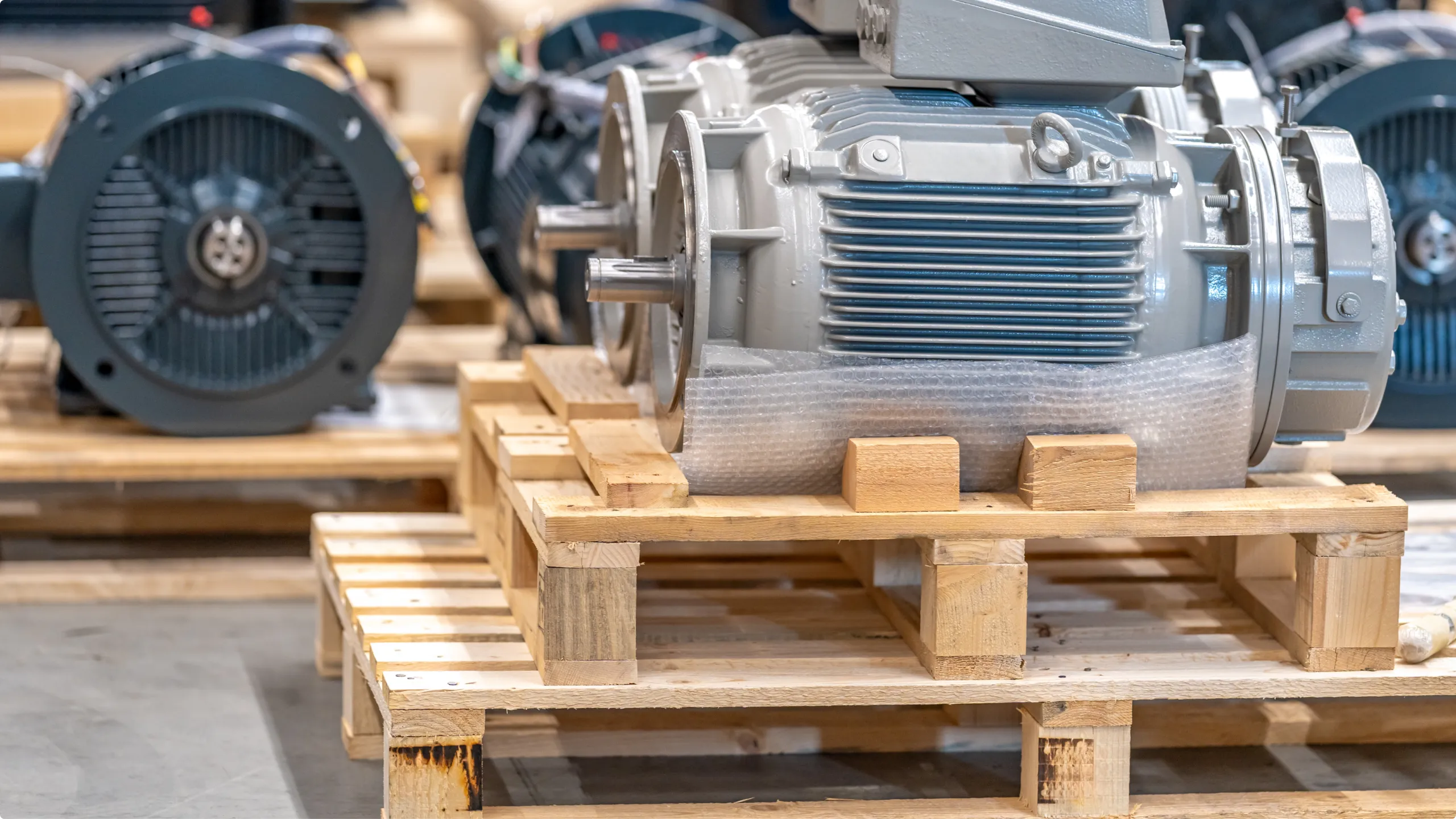
Amine Gas Sweetening & Carbon Capture: Sealless Pump Guide
An engineering analysis of amine gas sweetening (MEA/MDEA) fluid transfer in carbon capture and biogas upgrading, focusing on magnetic drive architectures, like the MDW and MDH series, to eliminate lethal H2S emissions and outgassing vapor lock.
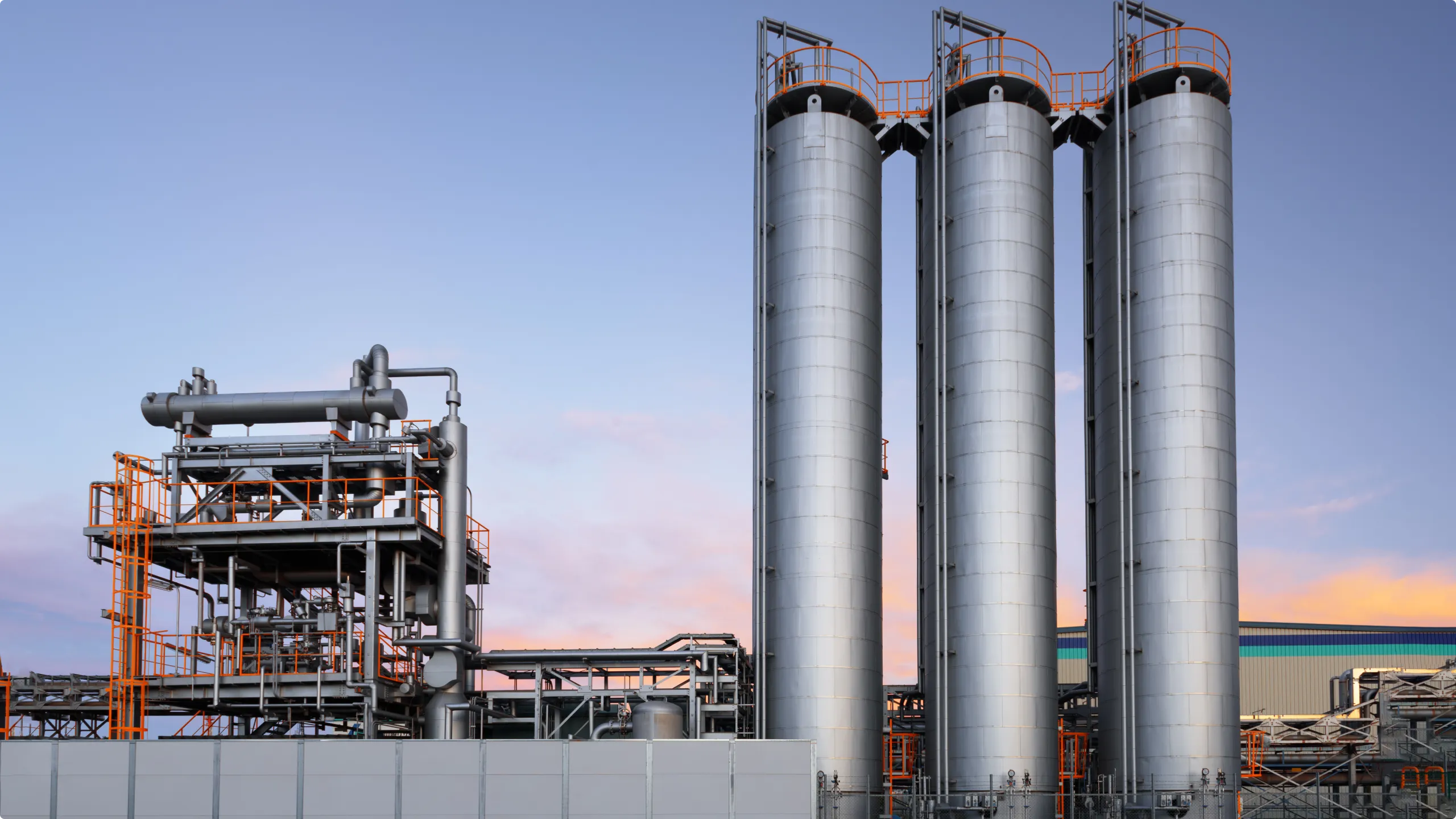
Alkaline Electrolyzer Fluid Transfer: Sealless Pump Engineering Guide
An engineering analysis of Potassium Hydroxide (KOH) electrolyte transfer in alkaline water electrolysis for green hydrogen production, focusing on magnetic drive architectures, like the MDW and MDH series, to eliminate caustic leakage, lye crystallization, and hydrogen gas vapor lock.
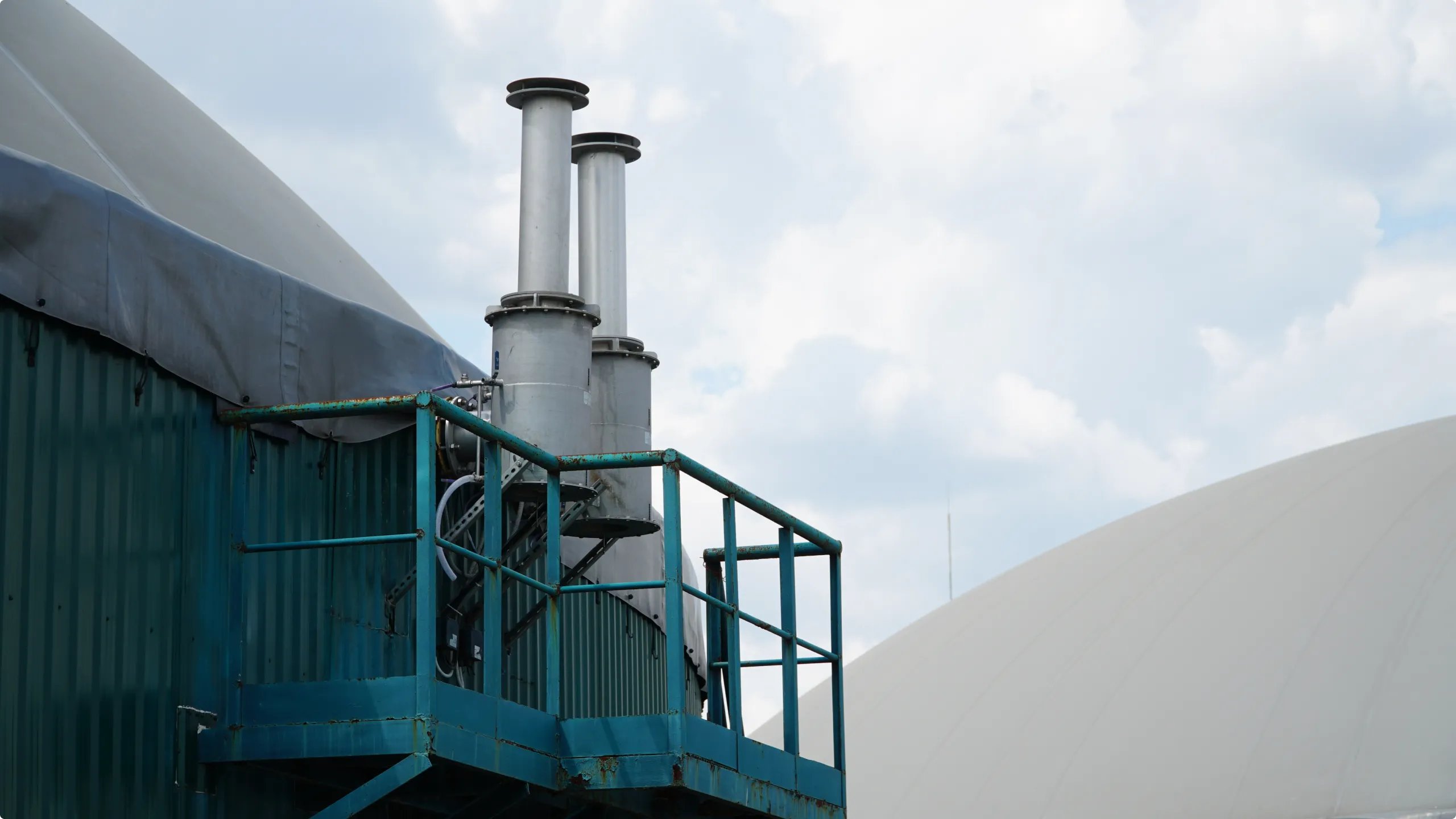
ORC Fluid Transfer: Sealless Pump Engineering Guide
An engineering analysis of Organic Rankine Cycle (ORC) waste heat recovery systems, focusing on magnetic drive architectures, like the MDW and MDH series, to prevent cavitation, low-NPSHa vapor lock, and fugitive emissions of volatile working fluids.

Lithium-Ion Battery Electrolyte (LiPF6) Transfer: Sealless Pump Guide
An engineering analysis of lithium-ion battery electrolyte (LiPF6) fluid transfer, focusing on magnetic drive architectures, like the MDW and MDH series, to eliminate moisture ingress, hydrofluoric acid (HF) generation, and dynamic seal failure.
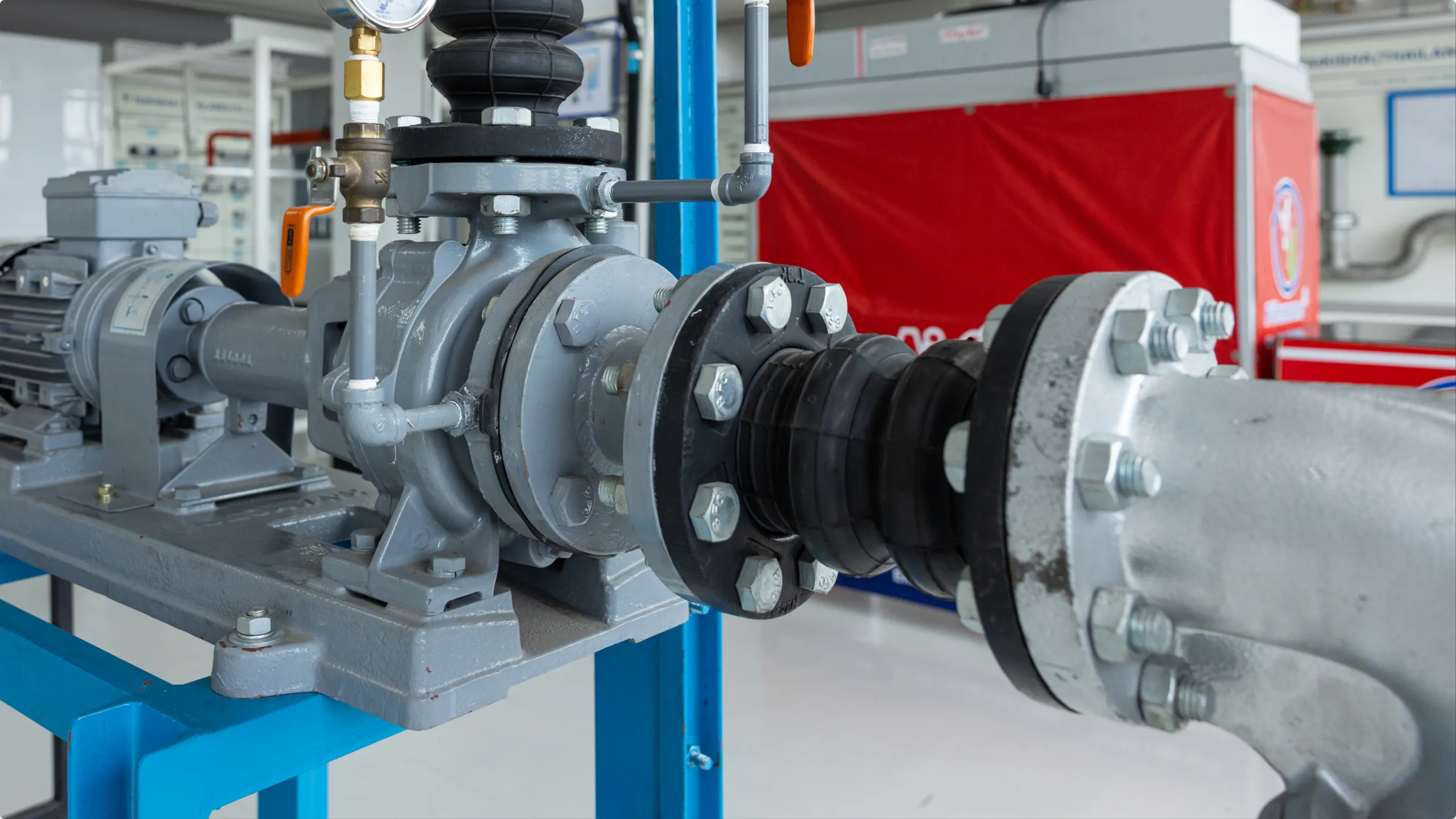
Molten Salt Heat Transfer: Sealless Pump Engineering in CSP
An engineering analysis of high-temperature molten salt heat transfer in Concentrated Solar Power (CSP) systems, focusing on magnetic drive architectures, like the MDW and MDH series, to eliminate thermal freeze-up, auxiliary trace heating failure, and dynamic seal oxidation.

Häufige Probleme bei Industriepumpen und Lösungsansätze
Im Pumpenbetrieb entstehen viele Ausfälle schrittweise – nicht plötzlich. Frühe Warnzeichen werden oft übersehen, oder Inspektion und Wartung erfolgen unsystematisch. Die folgenden Probleme und Lösungsansätze helfen, Ursachen, Reaktionsstrategien und Präventionsmethoden klar zu trennen.
Wichtige Faktoren bei Industriepumpenlösungen
Häufige Probleme bei Industriepumpen und Lösungsansätze
Im Pumpenbetrieb entstehen viele Ausfälle schrittweise – nicht plötzlich. Frühe Warnzeichen werden oft übersehen, oder Inspektion und Wartung erfolgen unsystematisch. Die folgenden Probleme und Lösungsansätze helfen, Ursachen, Reaktionsstrategien und Präventionsmethoden klar zu trennen.

Leckage (dichtungsbedingt)
Beginnen Sie die Bewertung mit der Identifikation von Leckageort und Medienzustand. Leckagen an Flanschen oder Schnittstellen hängen oft mit Einbauspannungen, Fehlausrichtung, Dichtungsauswahl oder Anzugsmoment zusammen. Bei Dichtungsleckagen sollten Medientemperatur und Druckschwankungen sowie Trockenlauf, Kavitation oder Feststoffpartikel überprüft werden. Im Lösungskonzept sollten Dichtungstypen und benötigte Hilfssysteme – Kühlung, Spülung oder Isolierung – festgelegt sein. Eine Ausrichtungskontrolle bei der Montage gehört dazu.

Unzureichender oder instabiler Förderstrom / Förderhöhe
Klären Sie zuerst, ob das Problem aus Veränderungen des Systemwiderstands oder aus einer Abweichung vom ausgelegten Arbeitspunkt entsteht. Verstopfte Filter, geänderte Ventilstellungen, Lufteinschlüsse und höhere Medienviskosität können den Arbeitspunkt verschieben. Mitgeführtes Gas wirkt sich stark auf Kreiselpumpen und Wirbelpumpen aus. Im Lösungskonzept sollten normale und extreme Arbeitspunkte definiert sein – einschließlich Sicherheitsreserven für Gasanteil, Temperaturschwankung und Viskositätsänderung.

Kavitation, abnormale Geräusche und Vibrationen
Häufige Ursachen sind unzureichendes NPSH, ungeeignete Auslegung der Saugleitung, mitgeführtes Gas und Vibrationsverstärkung durch Fundament oder Rohrleitungsspannungen. Beginnen Sie die Diagnose mit den Saugbedingungen – Flüssigkeitsstand, Rohrdurchmesser, Krümmer, Ventile, Filter – gefolgt von einer Prüfung von Einbau und Abstützung. Erst danach werden Pumpentyp und Drehzahl bewertet. Im Lösungskonzept sollten Anforderungen an Saugbedingungen, Mindest-NPSH-Reserve und Einschränkungen der Saugleitung klar dokumentiert sein.

Beschleunigter Verschleiß und abweichende Lebensdauer
Partikel, Kristallisation, Verunreinigungen oder unpassende Werkstoffpaarungen beschleunigen den Verschleiß medienberührter Teile und Gleitelemente. Temperaturzyklen verstärken Spaltänderungen und Werkstoffermüdung. Prüfen Sie Mediensauberkeit, Kristallisationsneigung, Feststoffanteil und die Verträglichkeit von Werkstoffen und Strukturdesign. Im Lösungskonzept sollten Filtrationsanforderungen, zulässige Feststoffanteile und kritische Werkstoffkombinationen festgelegt sein.

Übermäßiger Temperaturanstieg und Wirkungsgradverlust
Das tritt typischerweise auf, wenn Pumpen über längere Zeit außerhalb des Bestwirkungsgrad-Bereichs laufen – wegen Veränderungen im Systemwiderstand oder unzureichender Wärmeabfuhr, besonders bei beengten Einbauten oder hohen Umgebungstemperaturen. Beginnen Sie die Bewertung wieder am Arbeitspunkt und an den Kennlinien. Prüfen Sie zusätzlich Kühlung, Isolierung und Einbauraum. Im Lösungskonzept sollten zulässige Erwärmung, Grenzwerte der Umgebungstemperatur und Einschränkungen des Einbauraums bereits in der Auswahlphase definiert sein.
FAQ
Wie wählen wir die passende Industriepumpe für unsere Betriebsbedingungen aus?
Welche Daten zu den Betriebsbedingungen müssen bei der Auslegung klar definiert sein?
Können die Nennparameter direkt für die Auslegung herangezogen werden?
Worauf kommt es bei Hoch- oder Tieftemperaturanwendungen besonders an?
Brauchen Anwendungen mit Gasanteil oder Mikroförderströmen eine spezielle Pumpenkonstruktion?
Wann sollten kundenspezifische Industriepumpenlösungen in Betracht gezogen werden?
Welche Auslegungsfehler treten bei der Systemintegration häufig auf?
Wie senkt eine richtige Auswahl das langfristige Betriebsrisiko?
Sind lösungsorientierte Industriepumpen-Konzepte nur für Großprojekte sinnvoll?